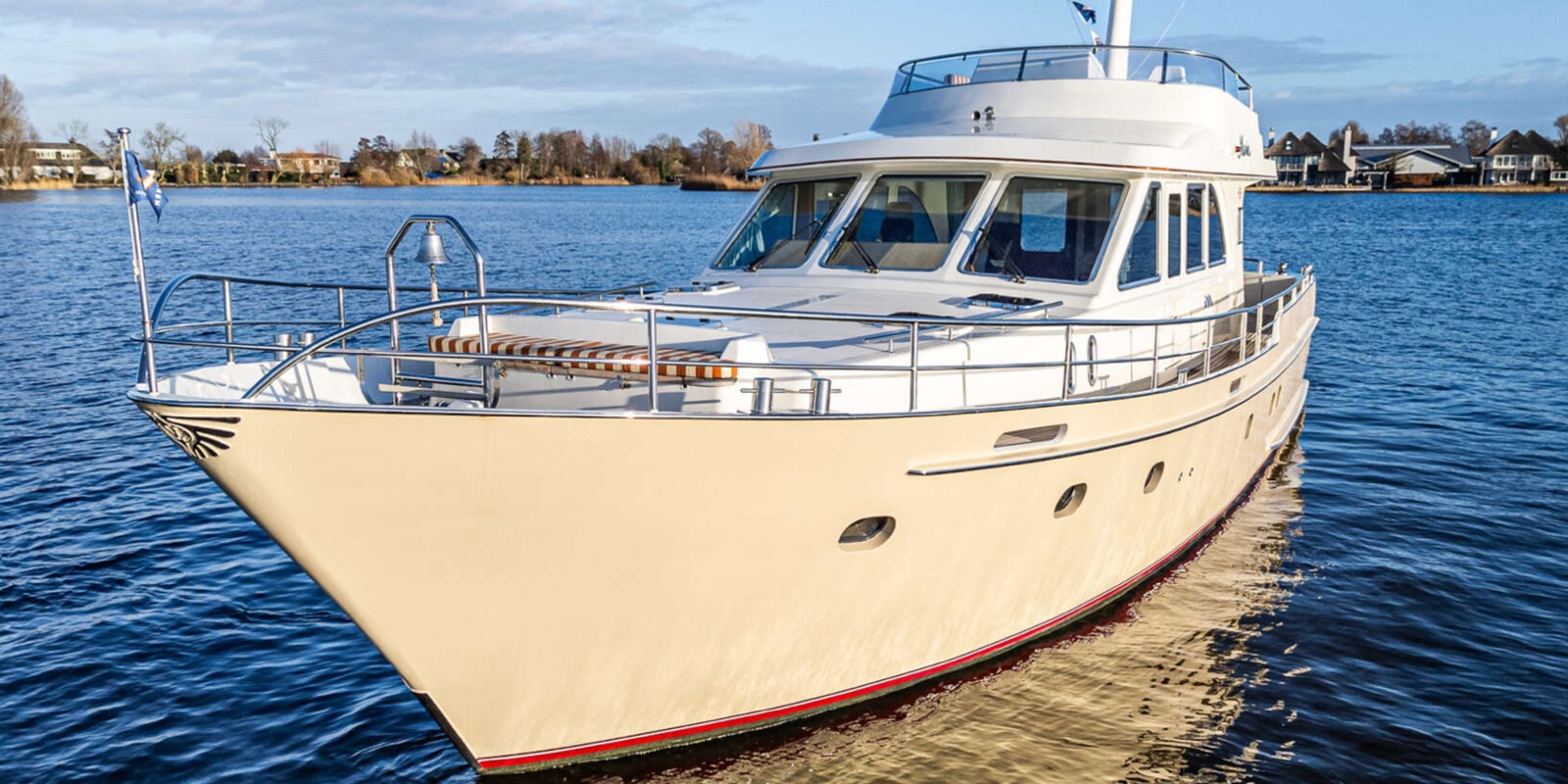
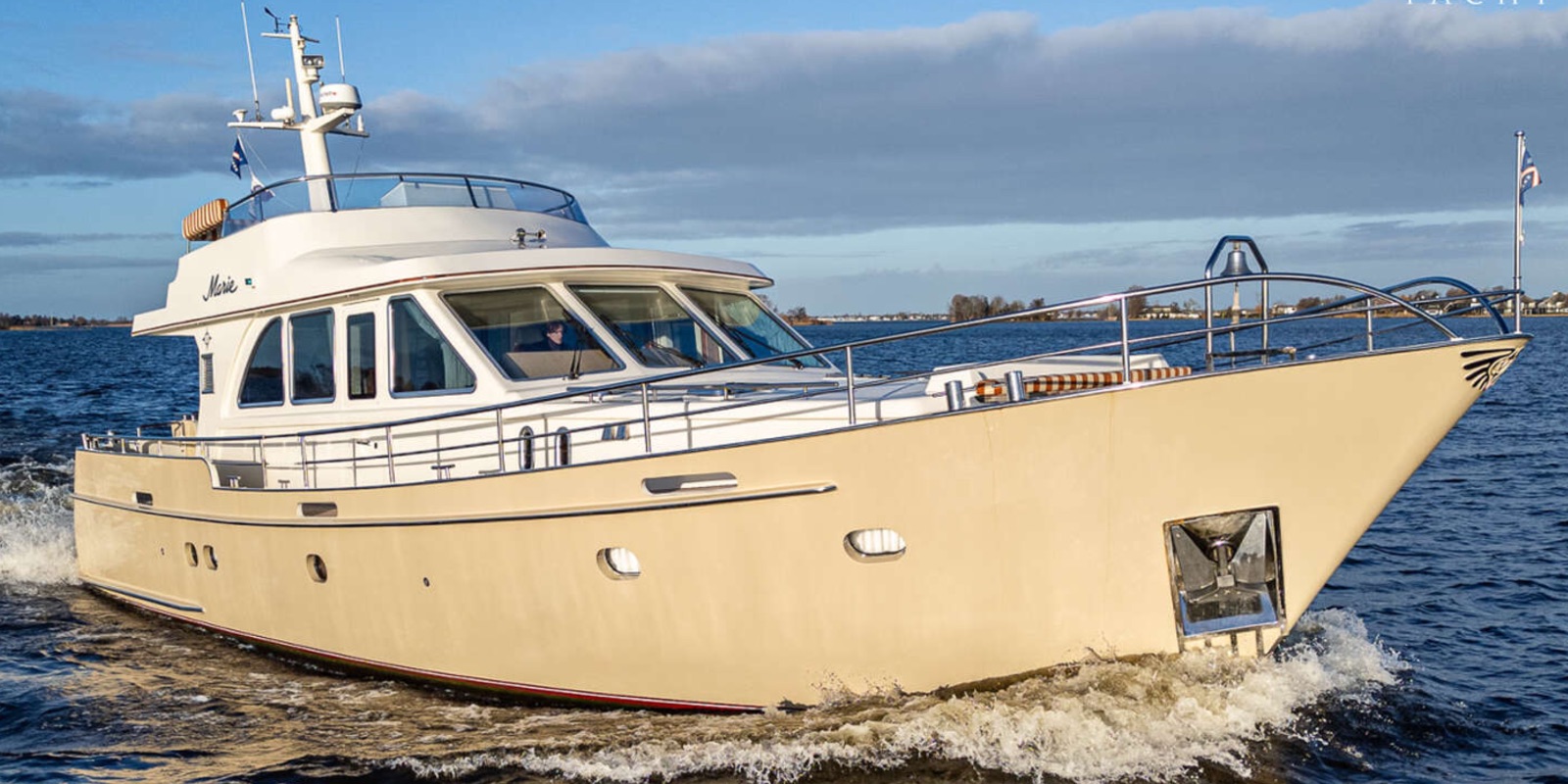
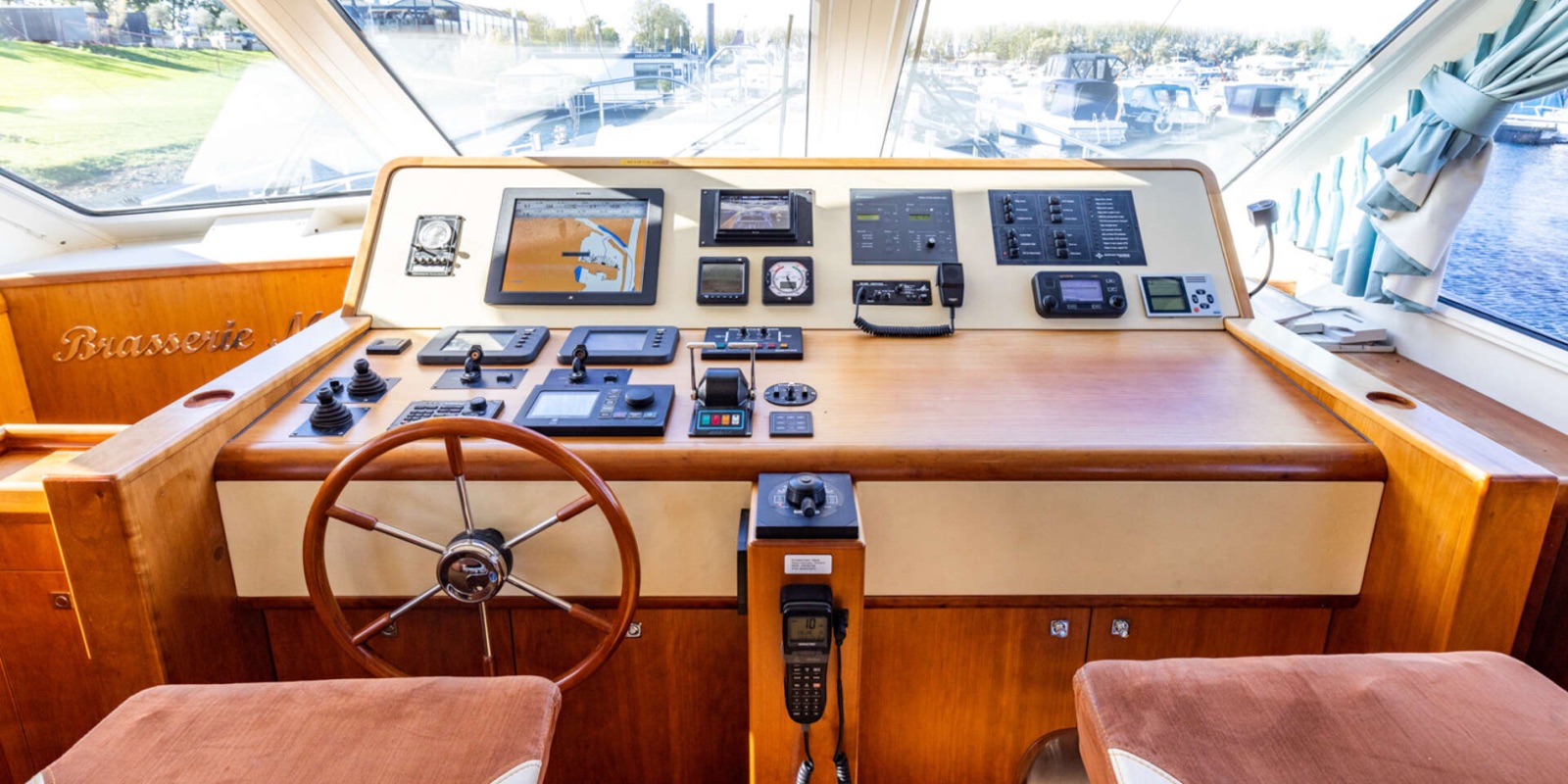
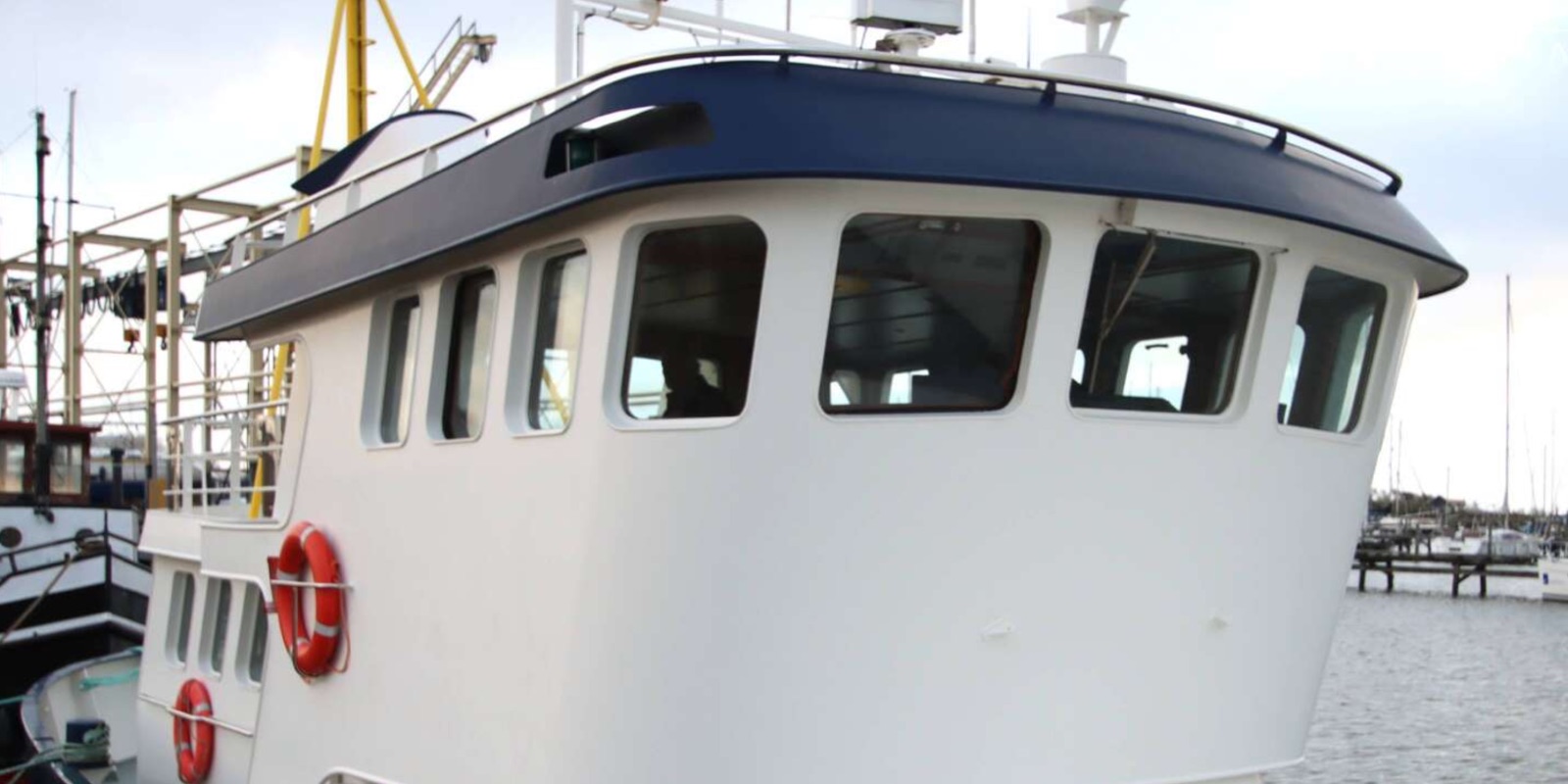
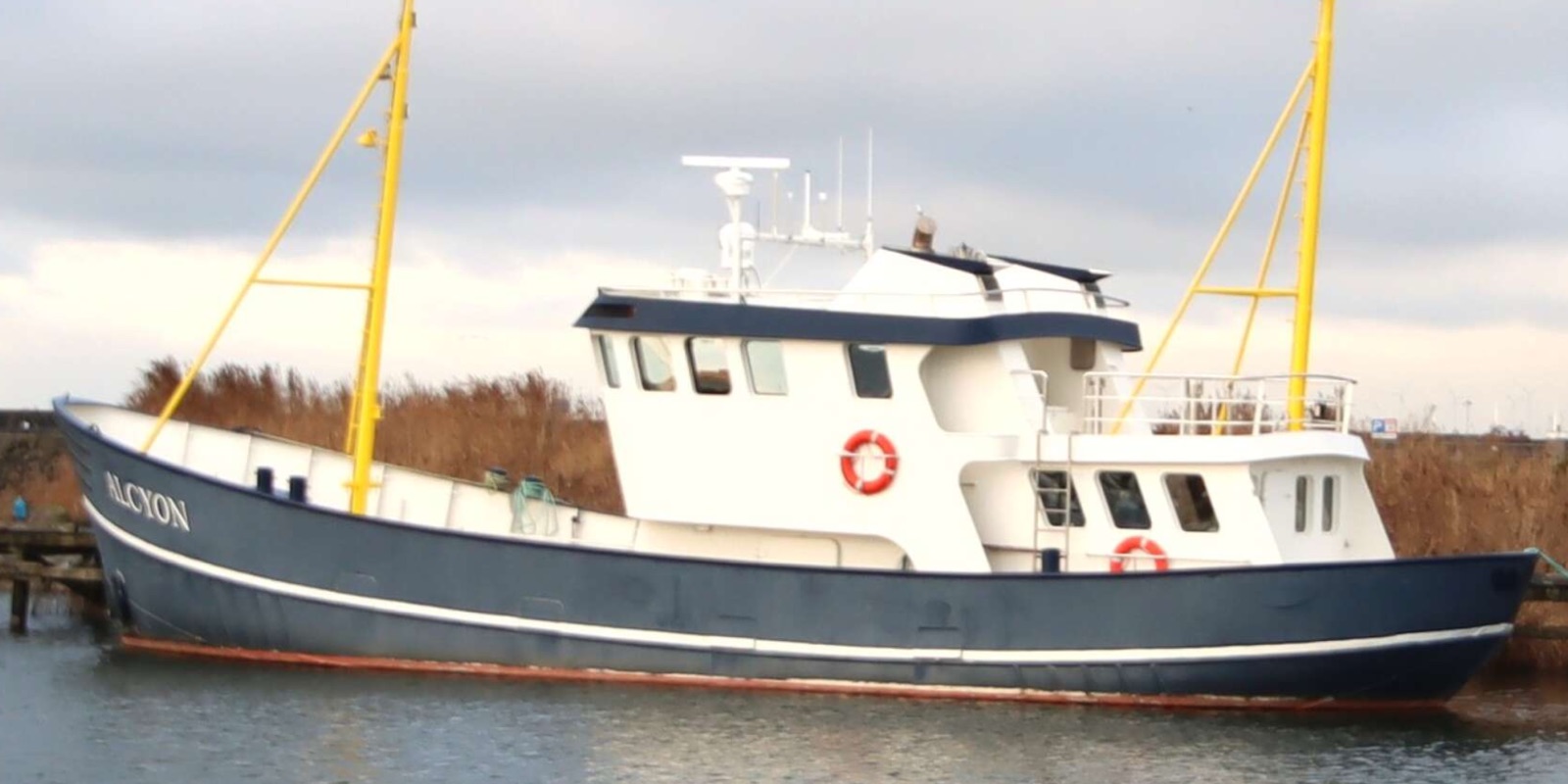
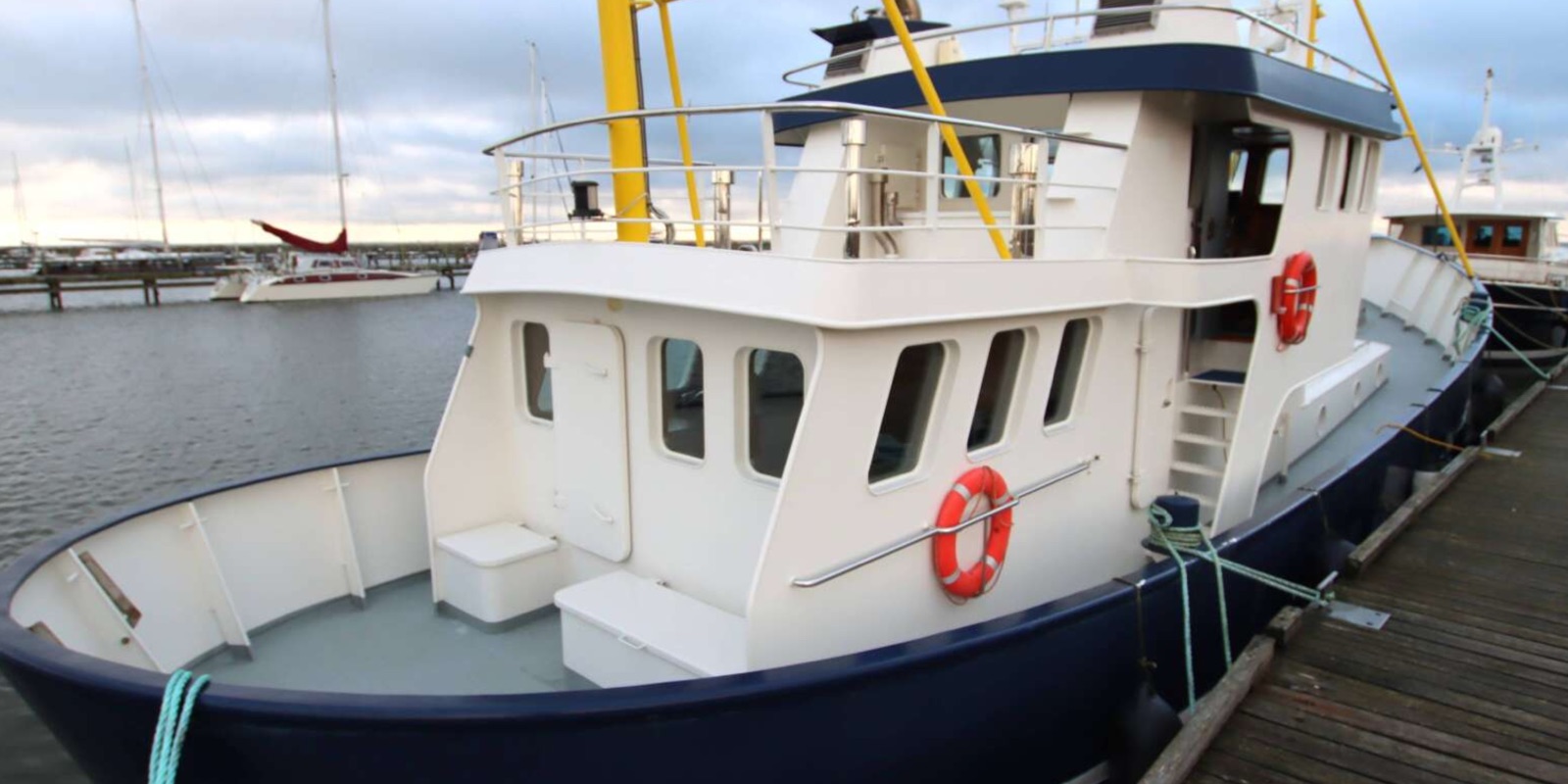
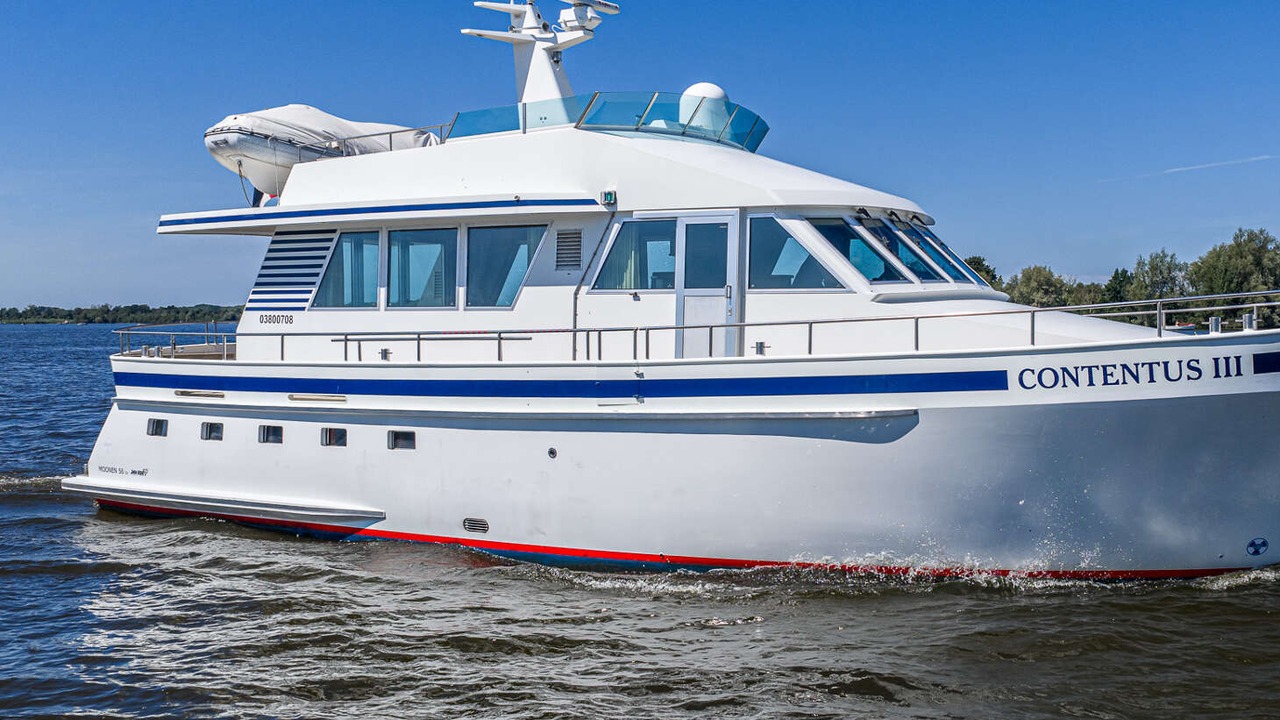
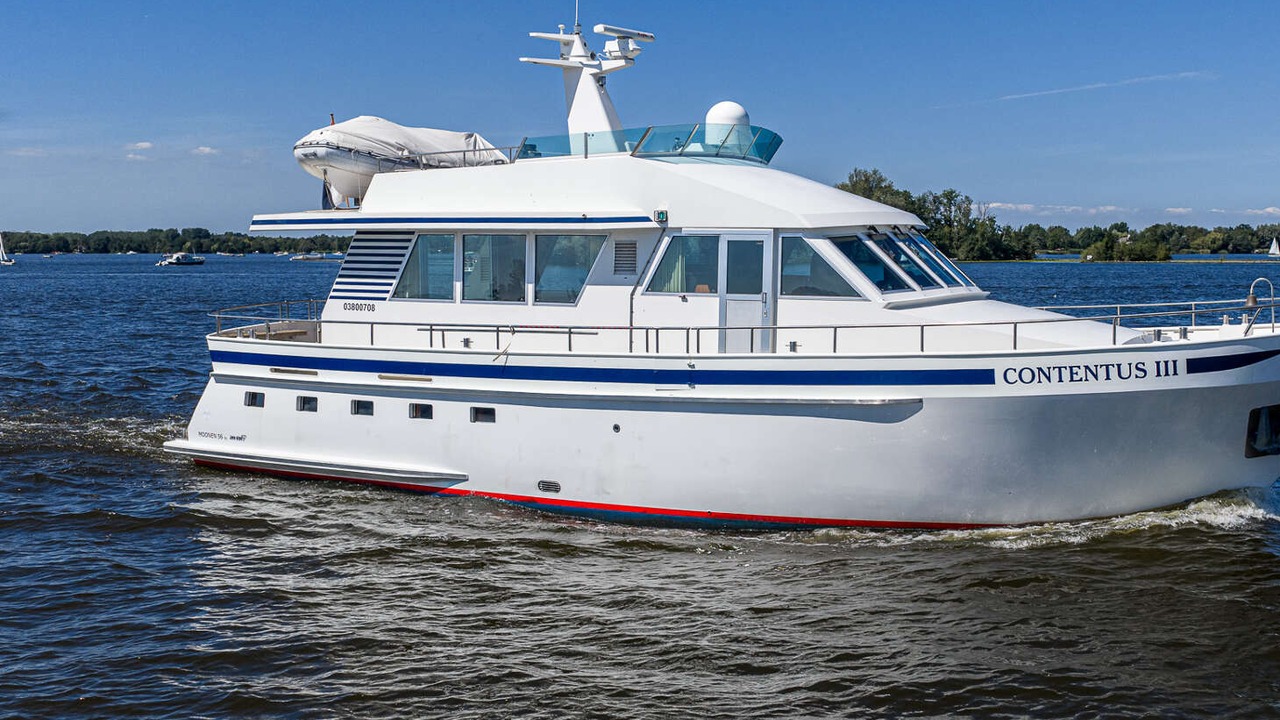
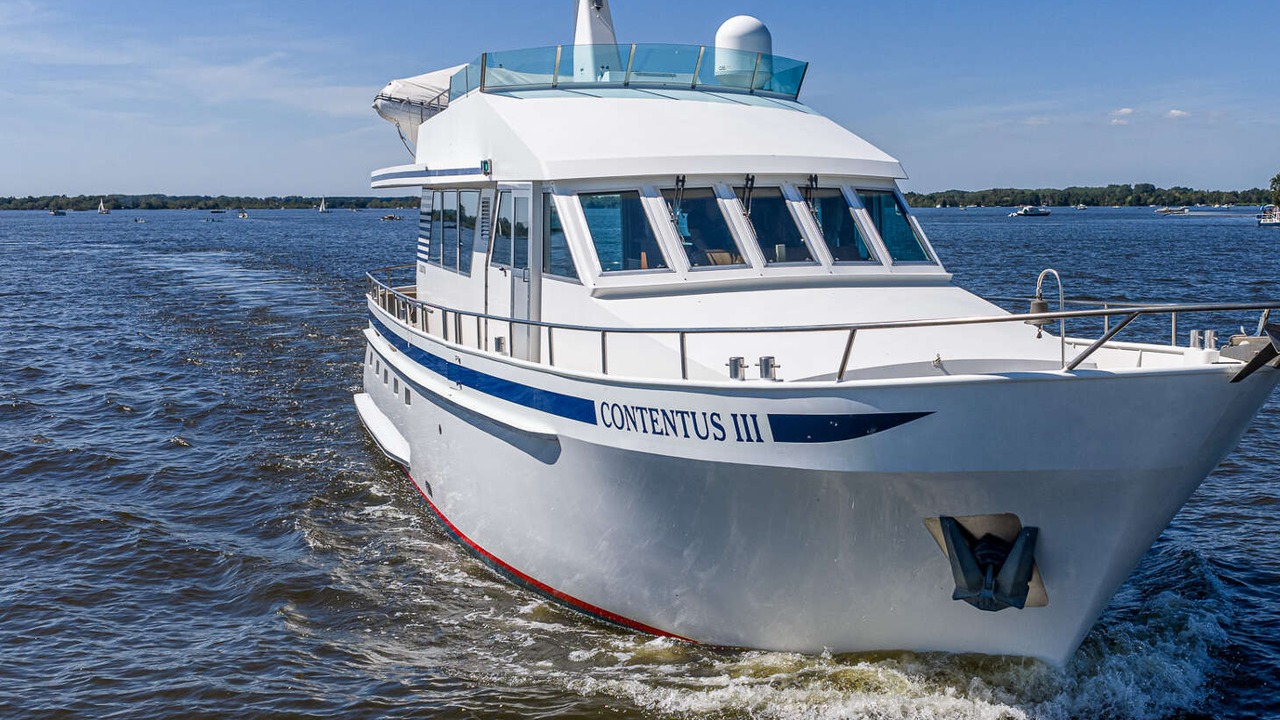
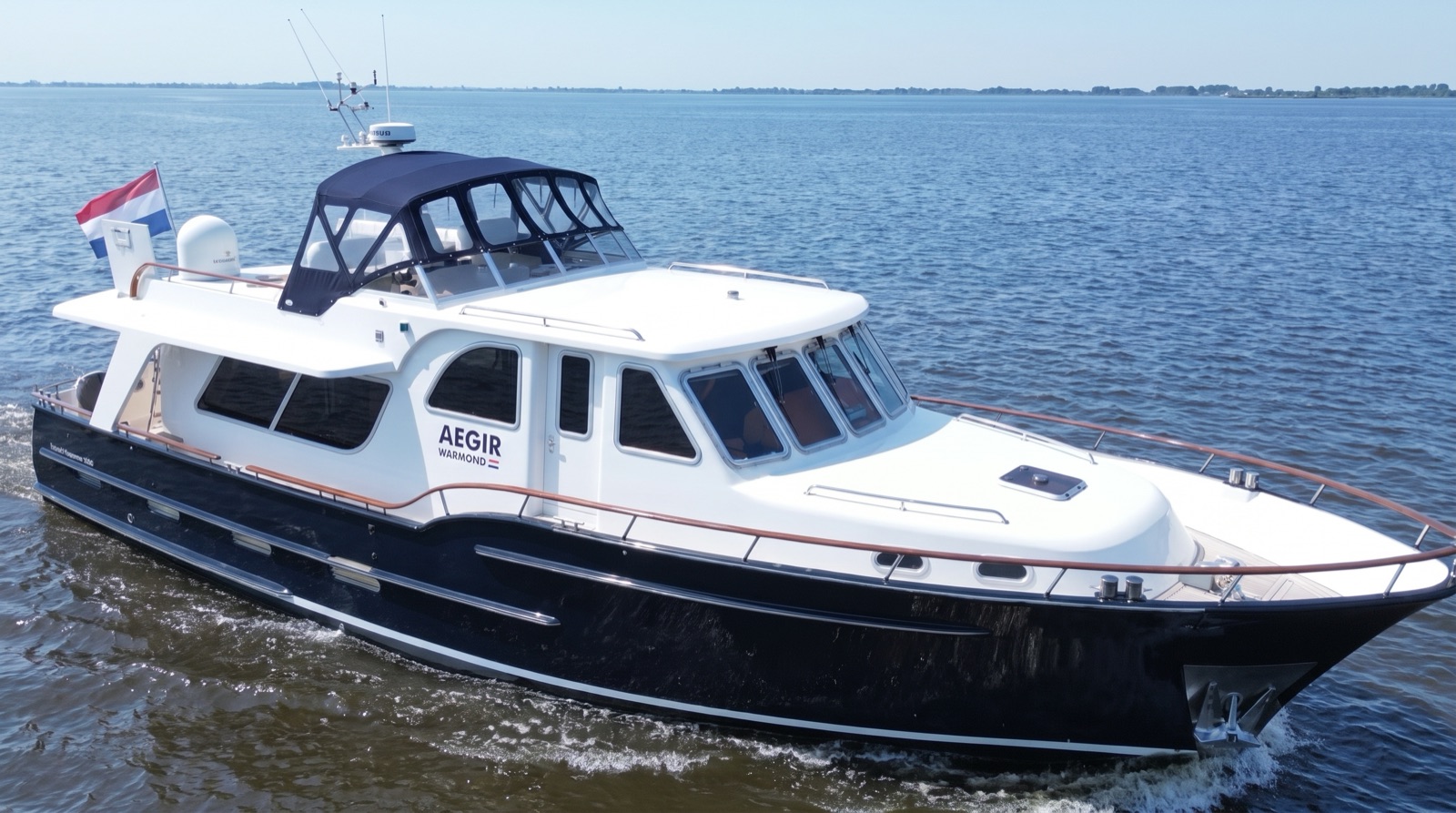
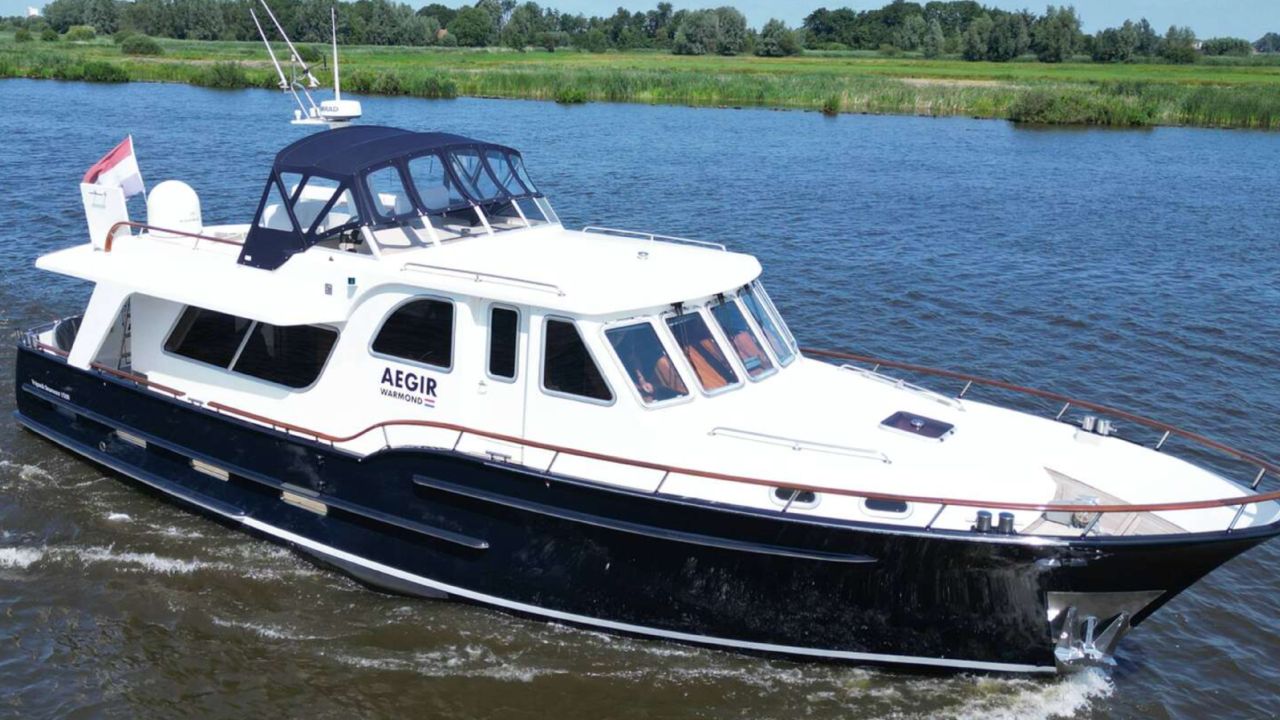
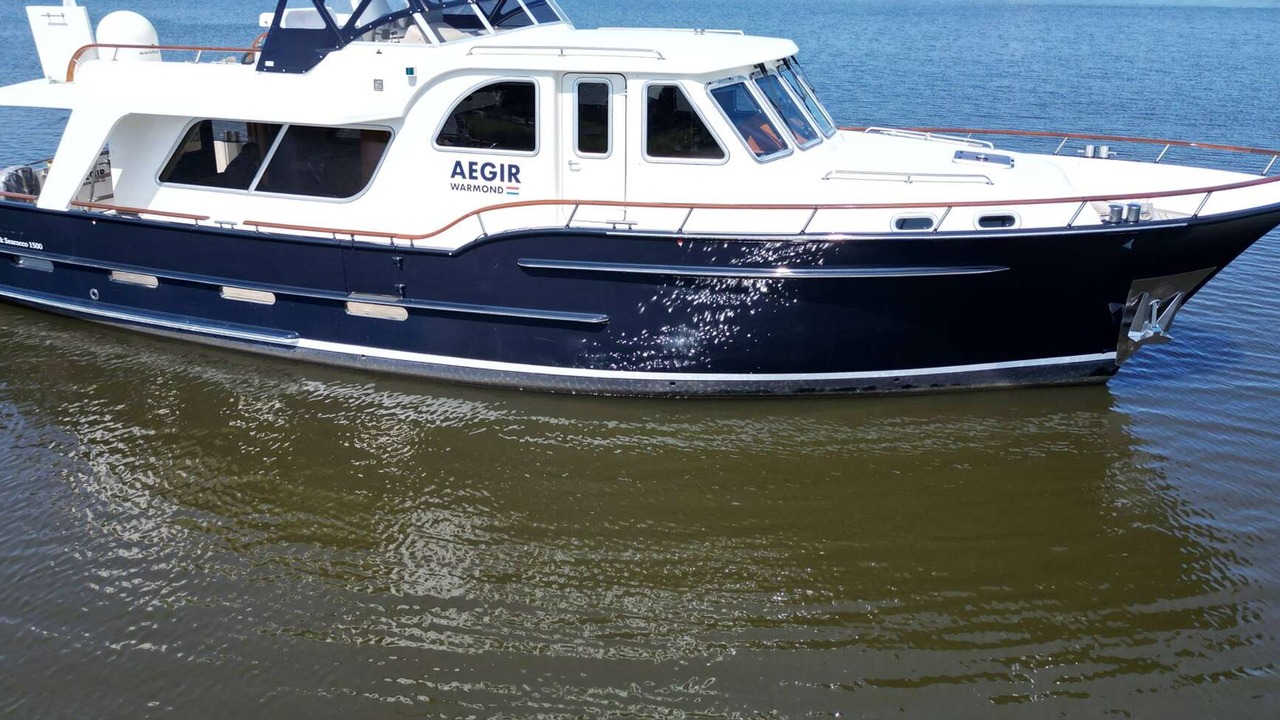
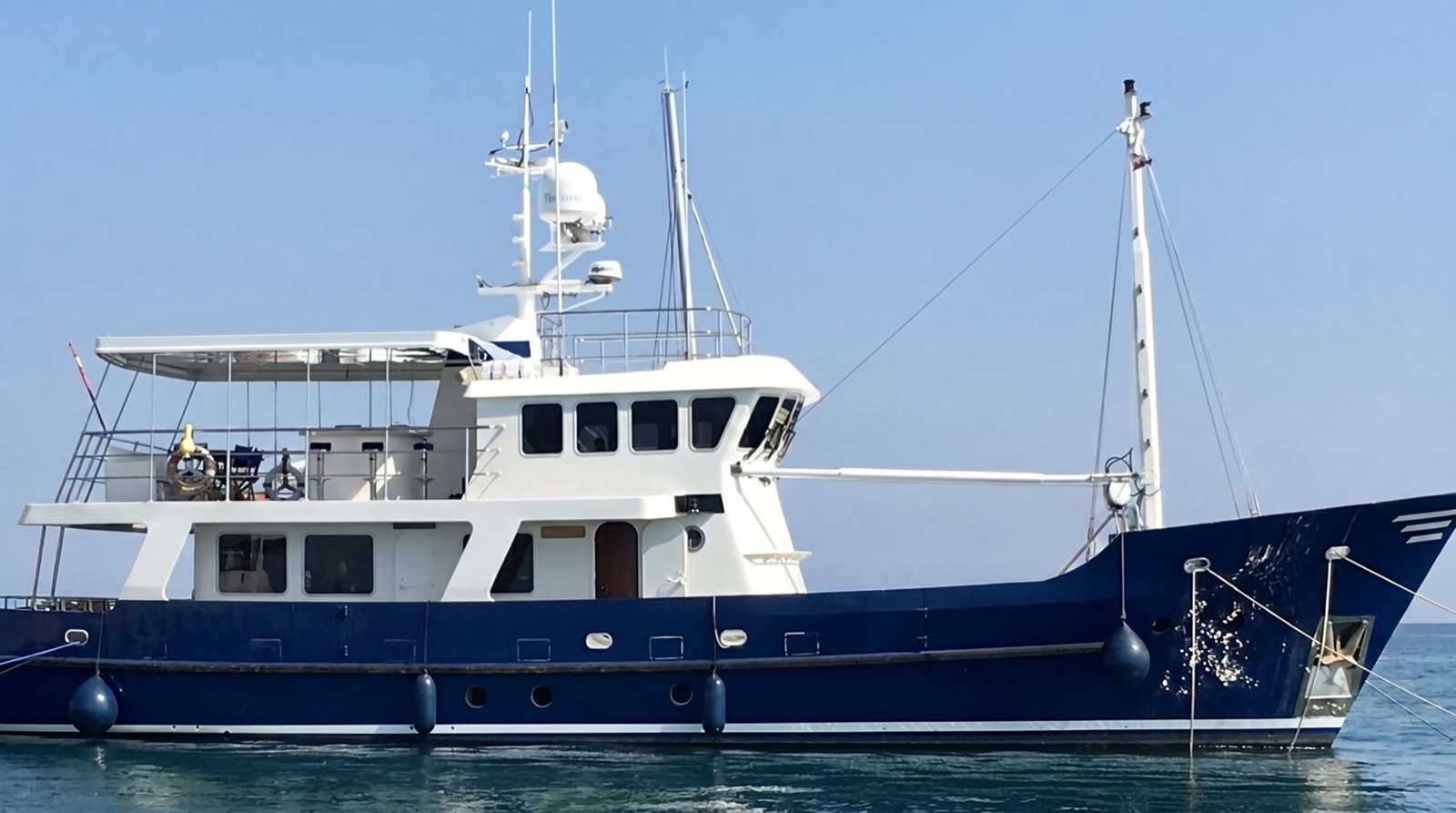
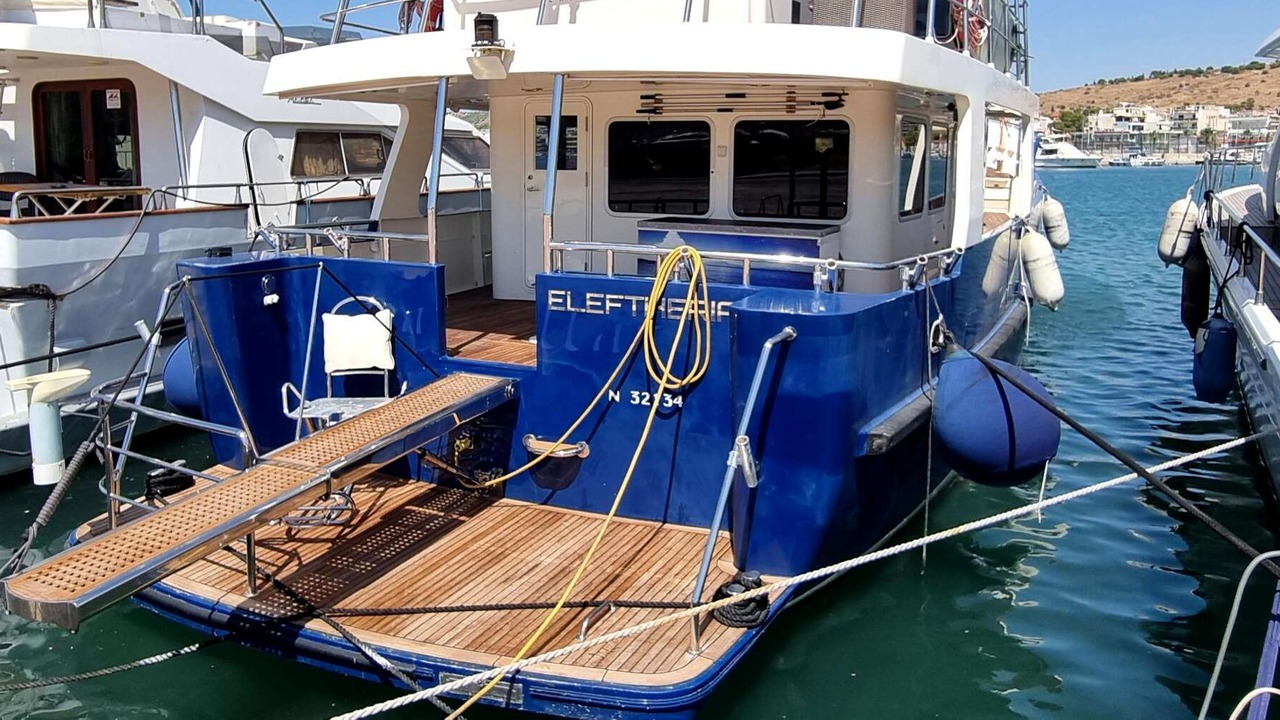
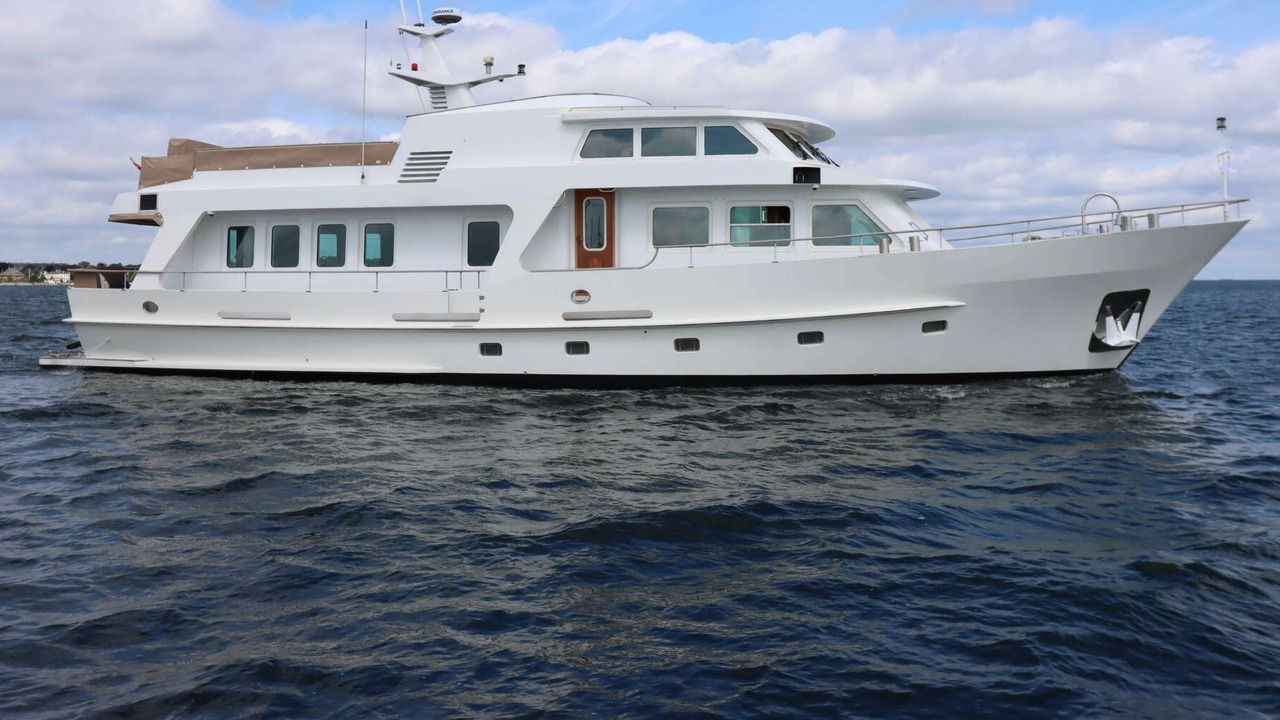
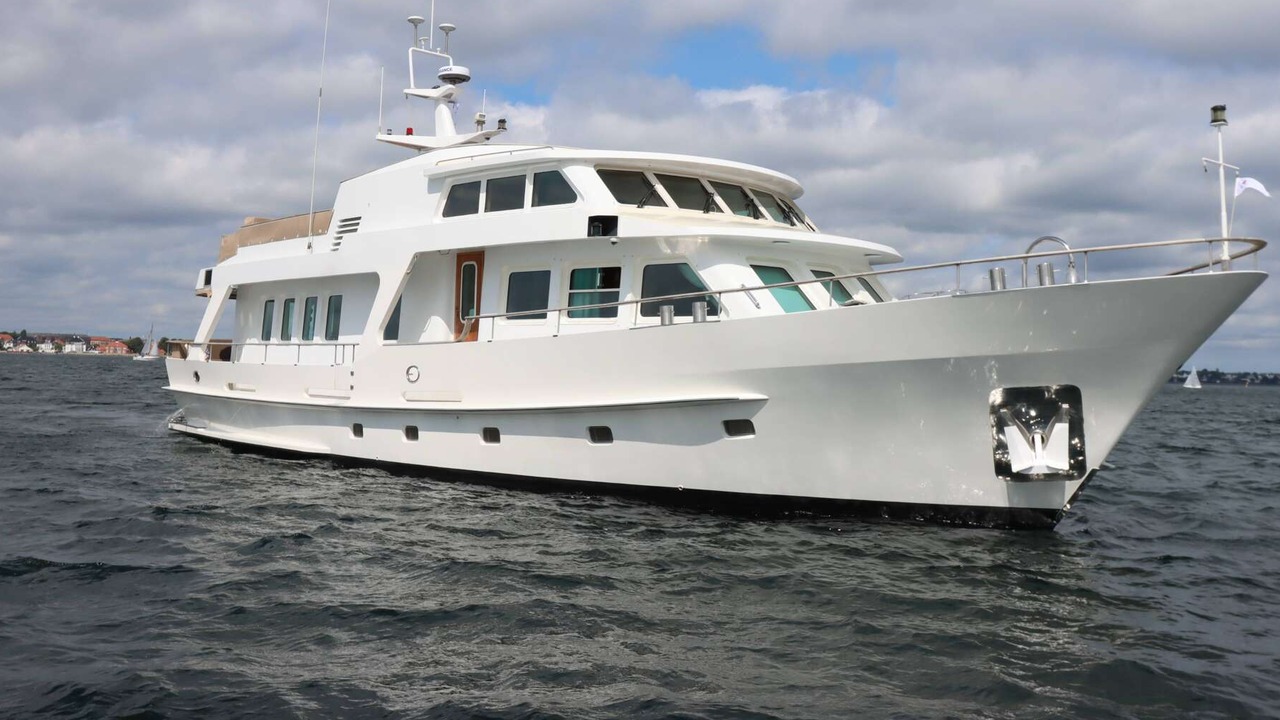
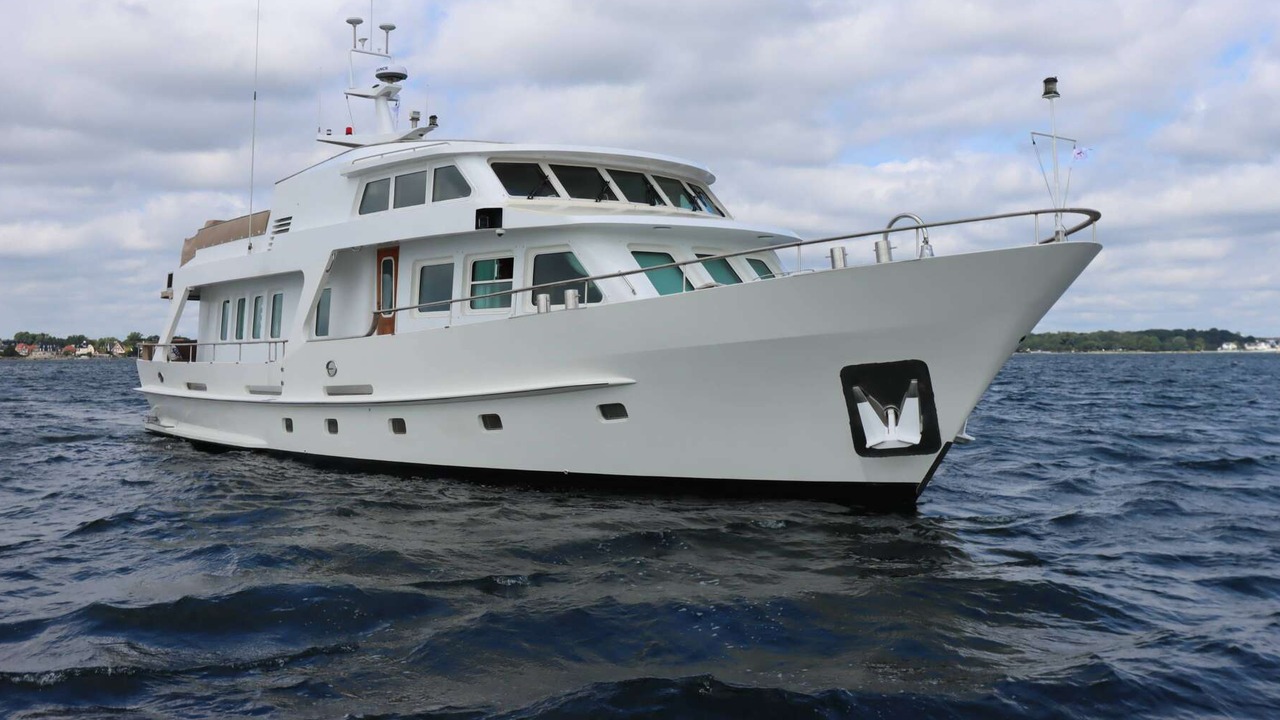
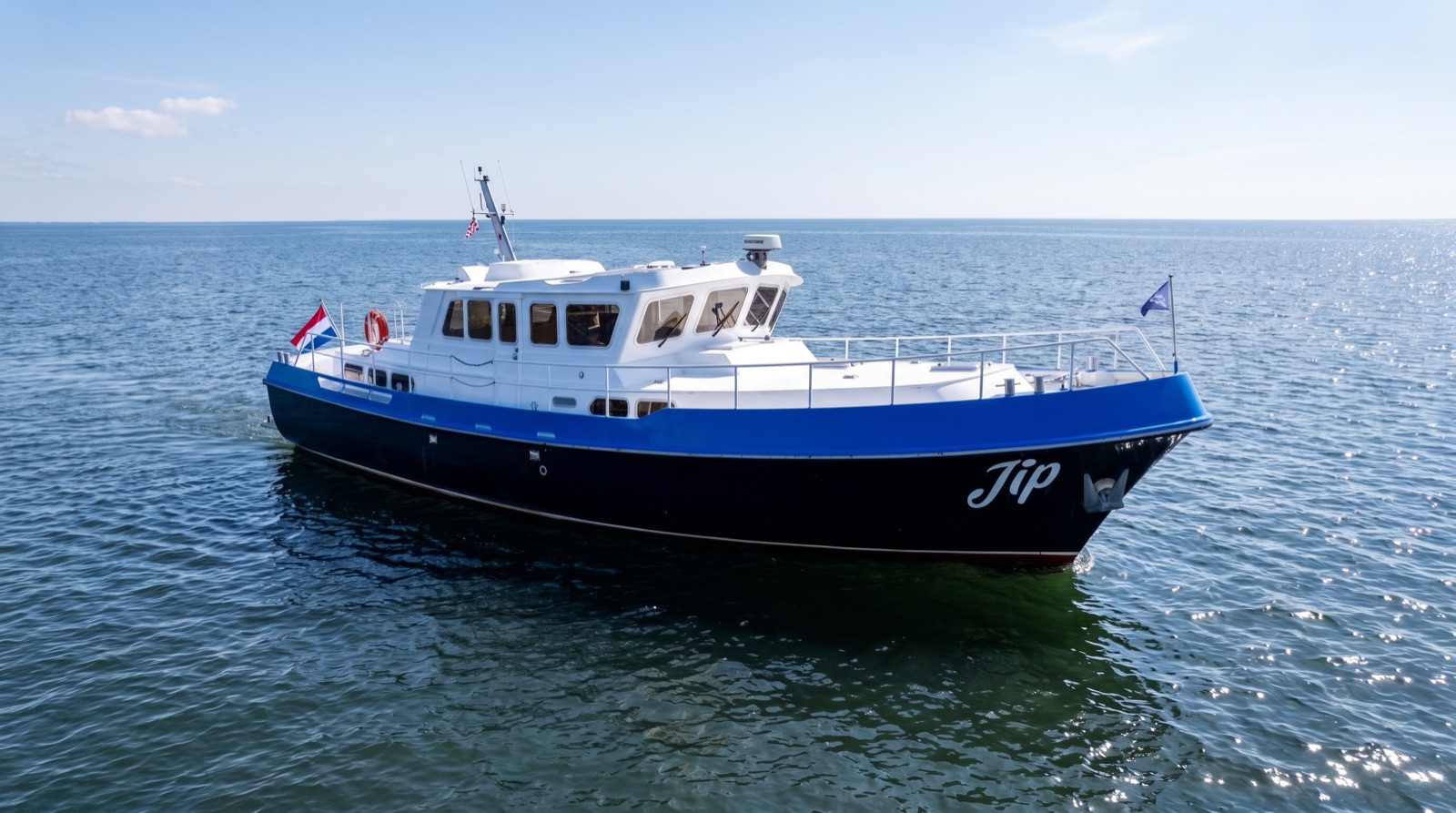
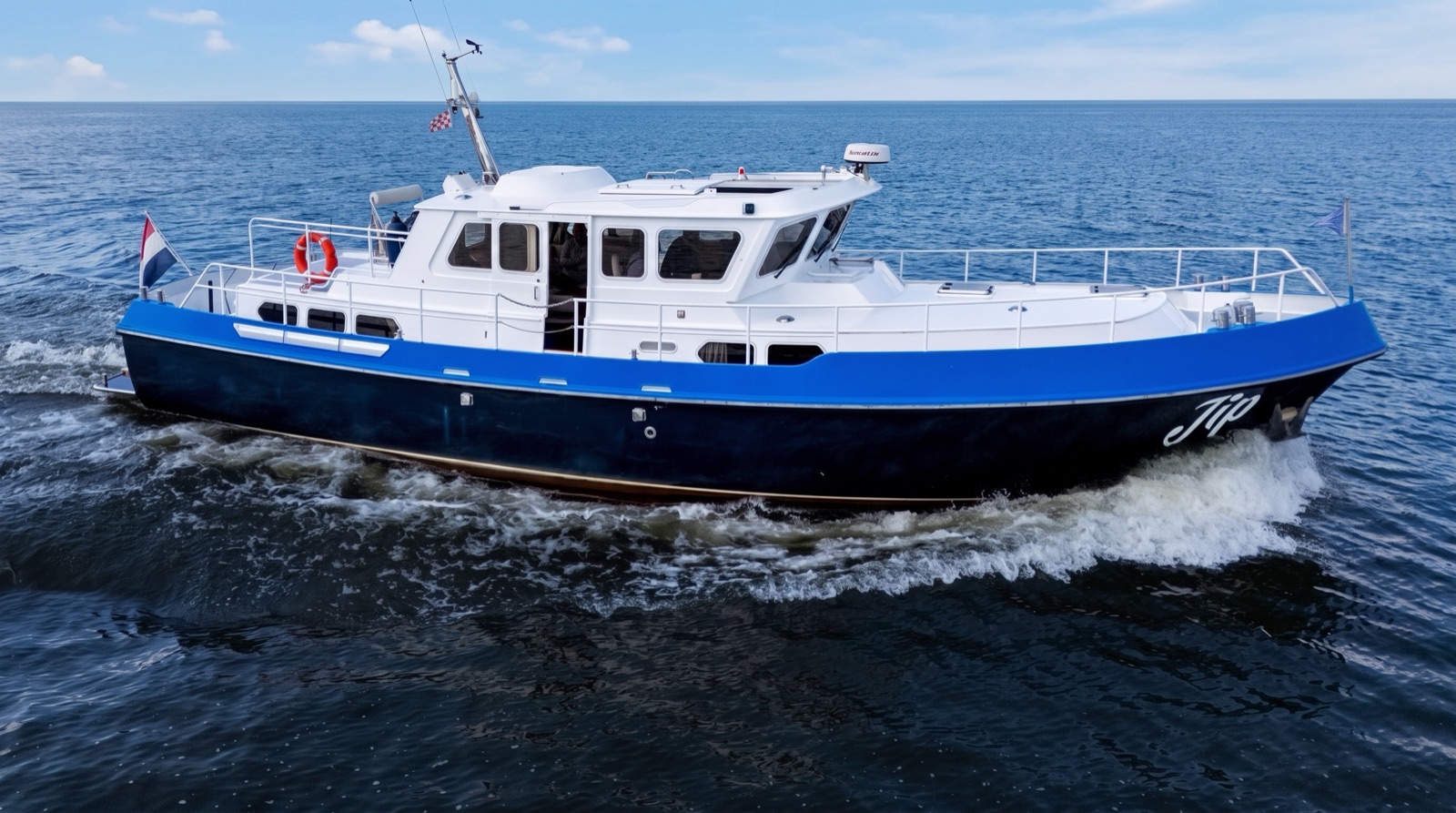
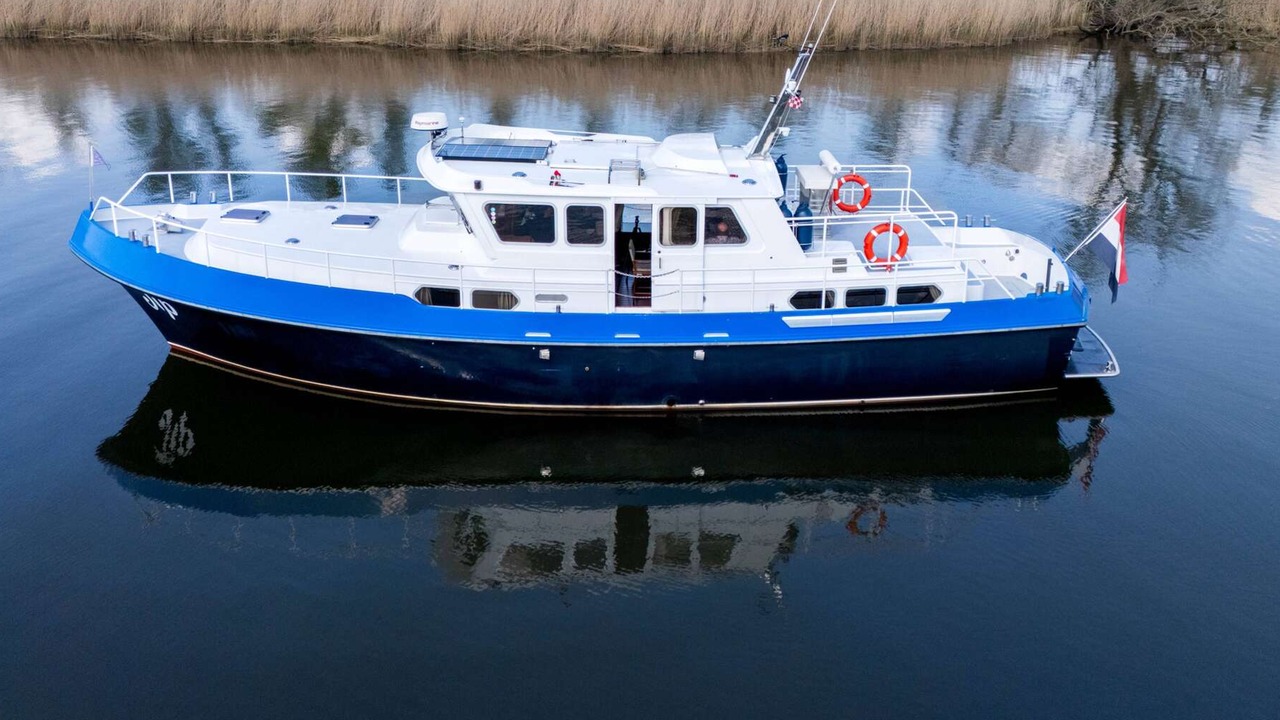
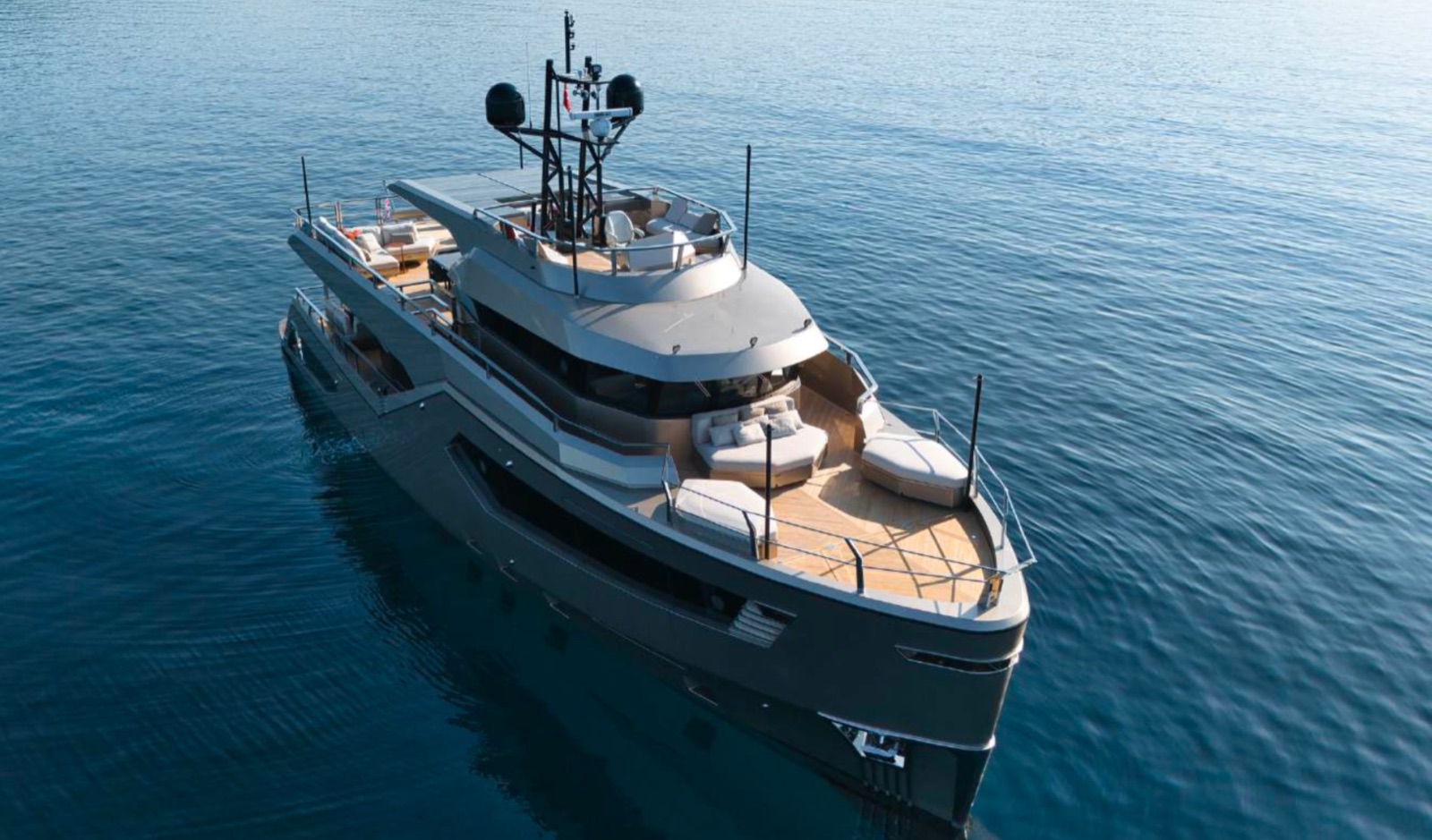
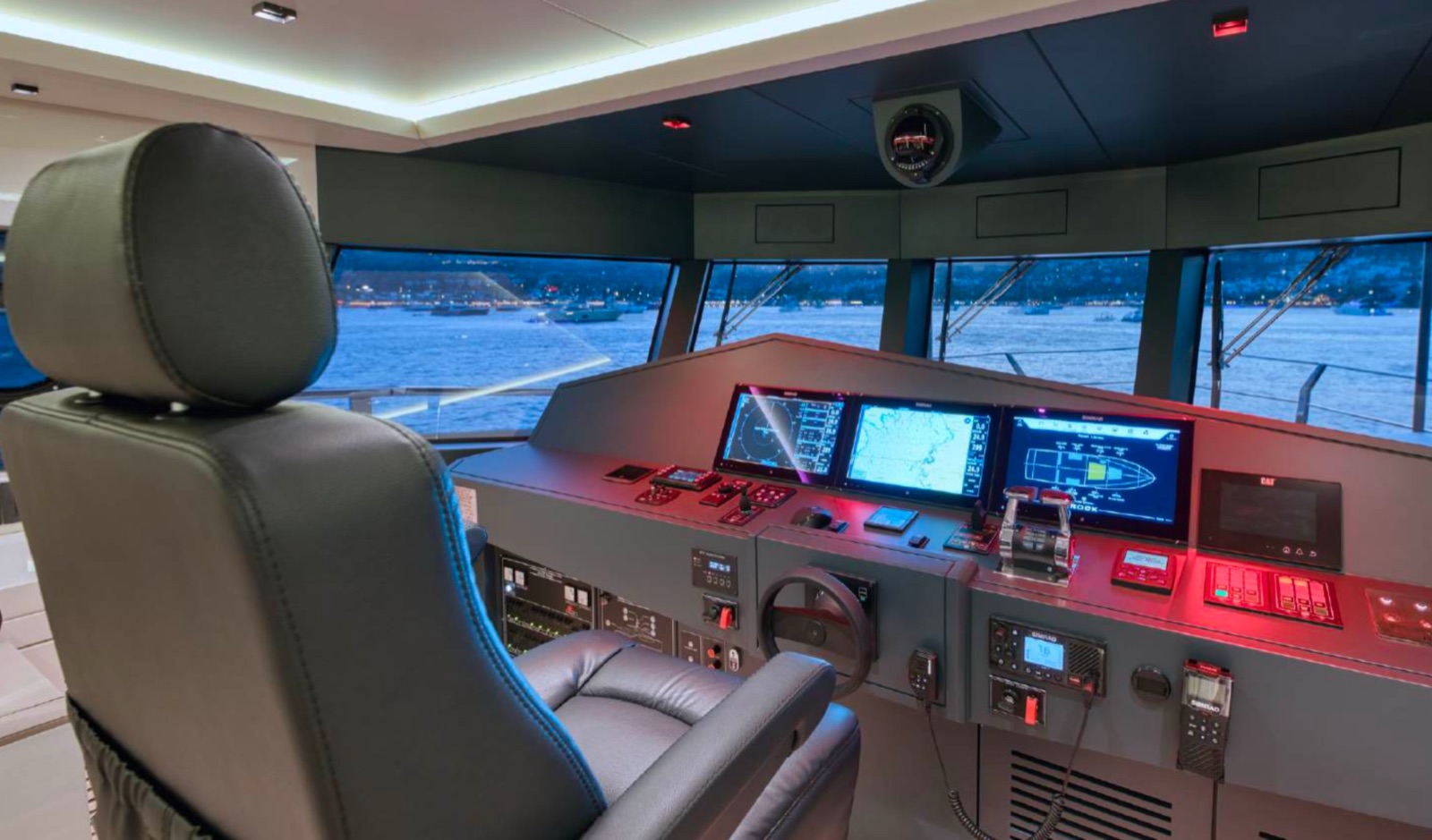
My Dutch steel tours are some of the most watched videos on my channel, and the same questions come up every time. Here are my answers, each with a link to the article where I go into more detail.
Kotter, spiegelkotter, or luxe motor: what’s the difference?
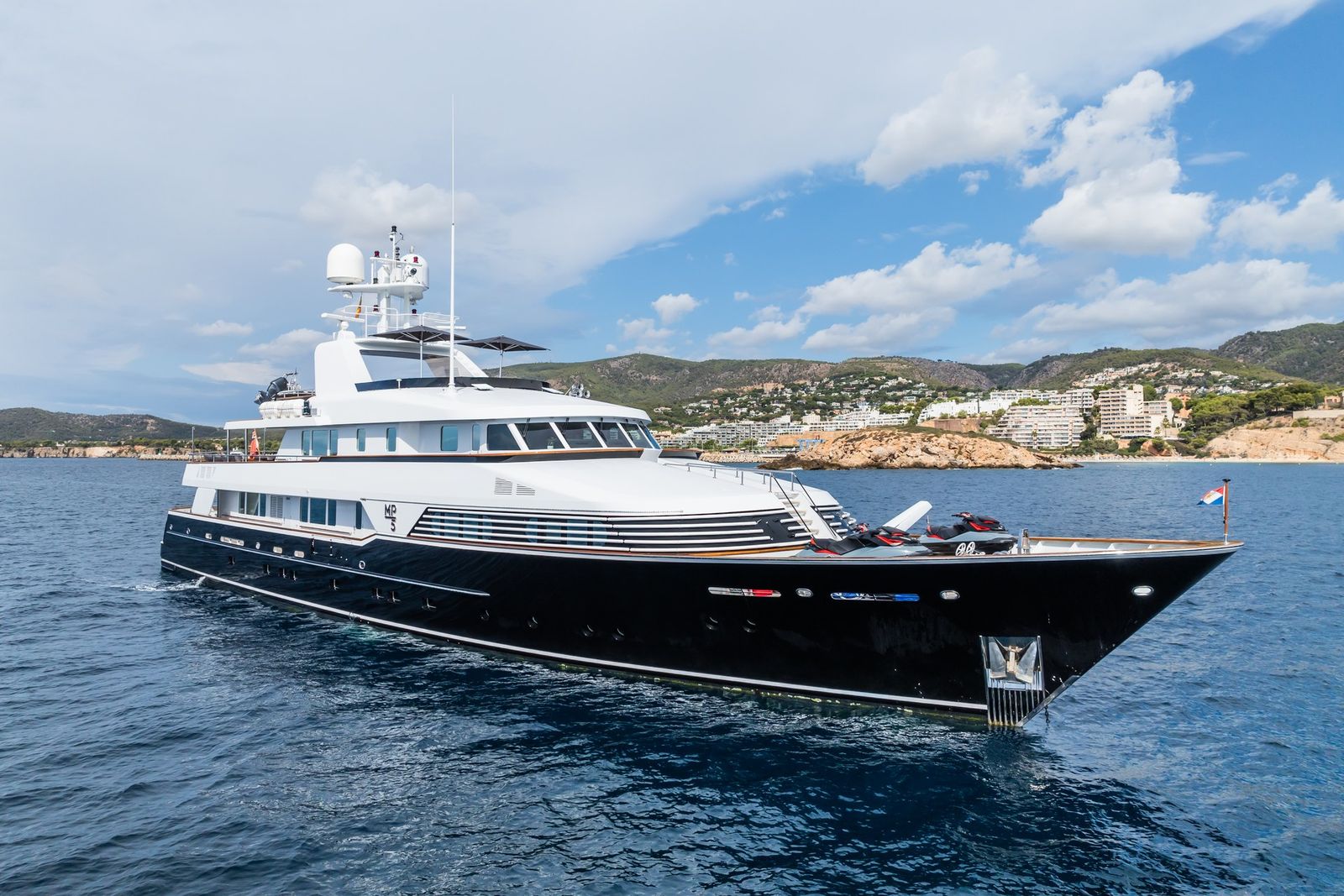
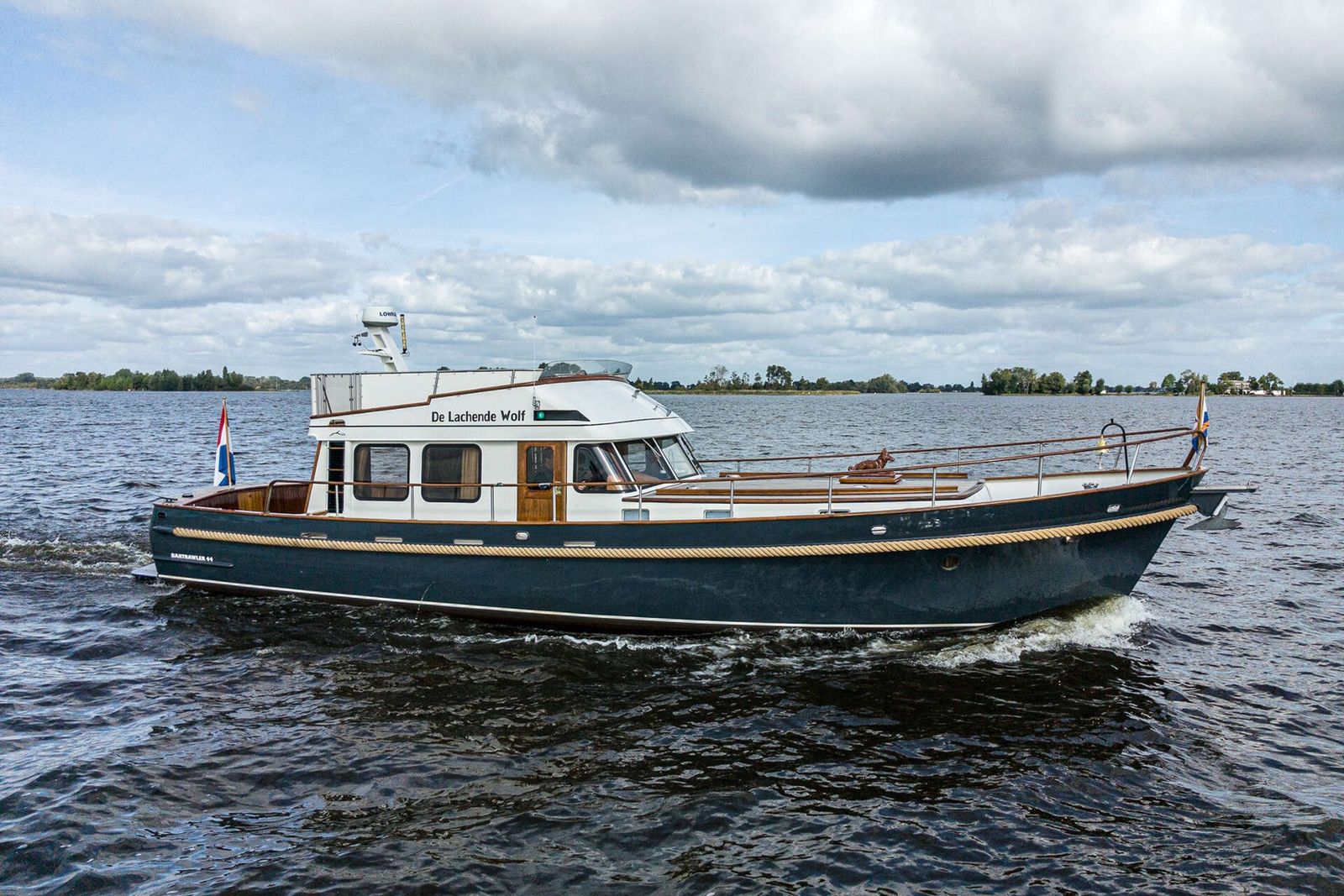
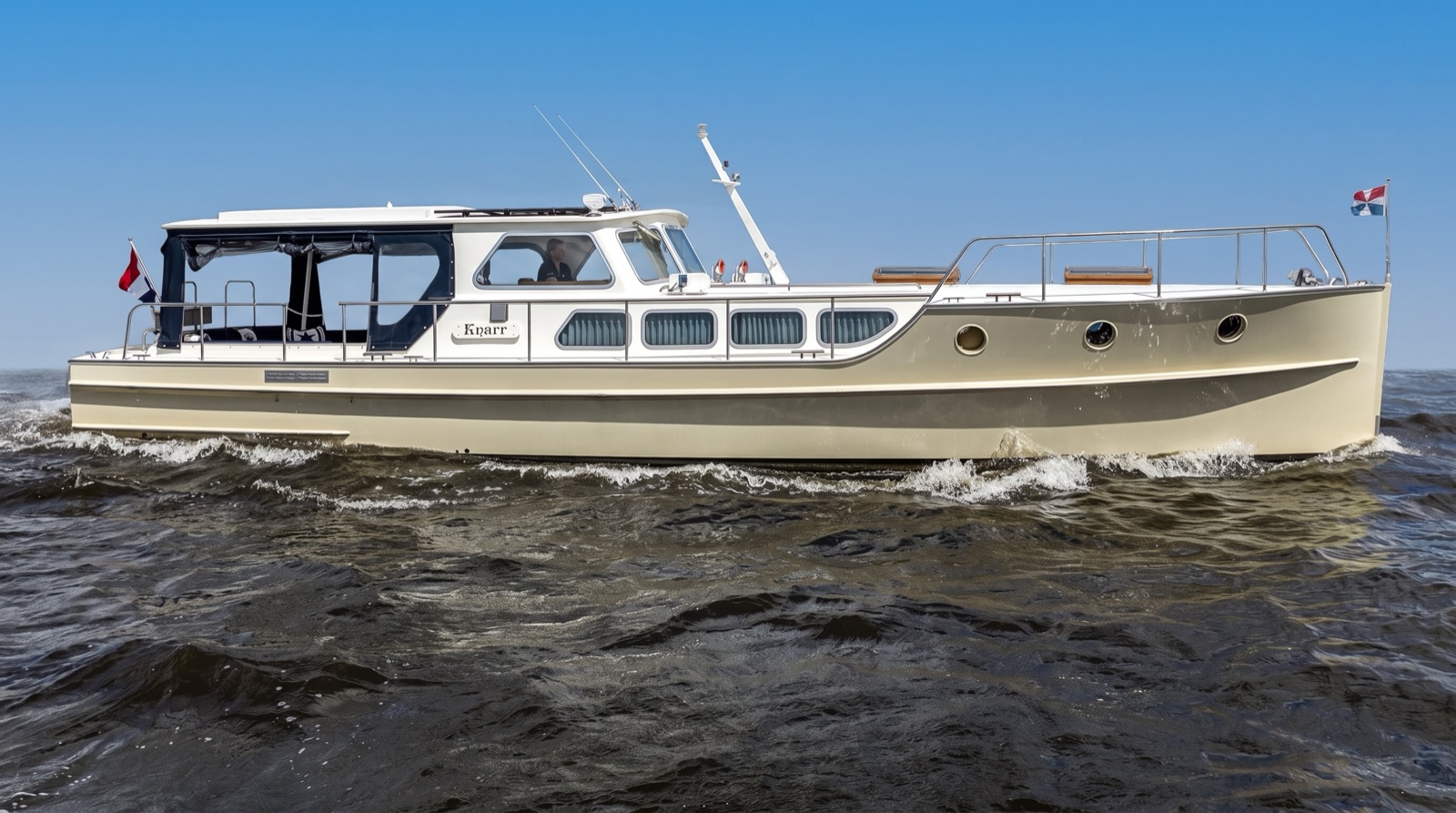
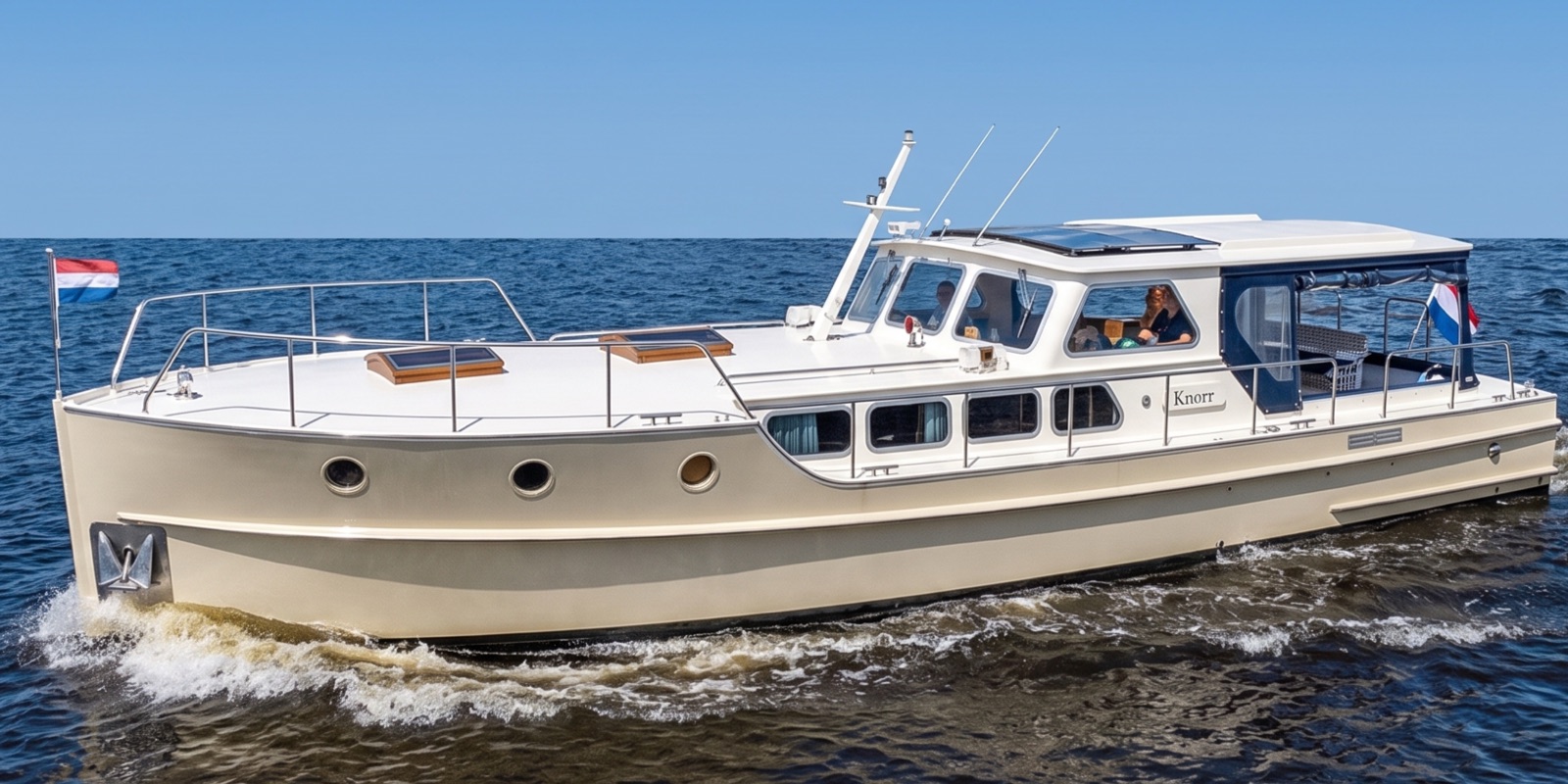
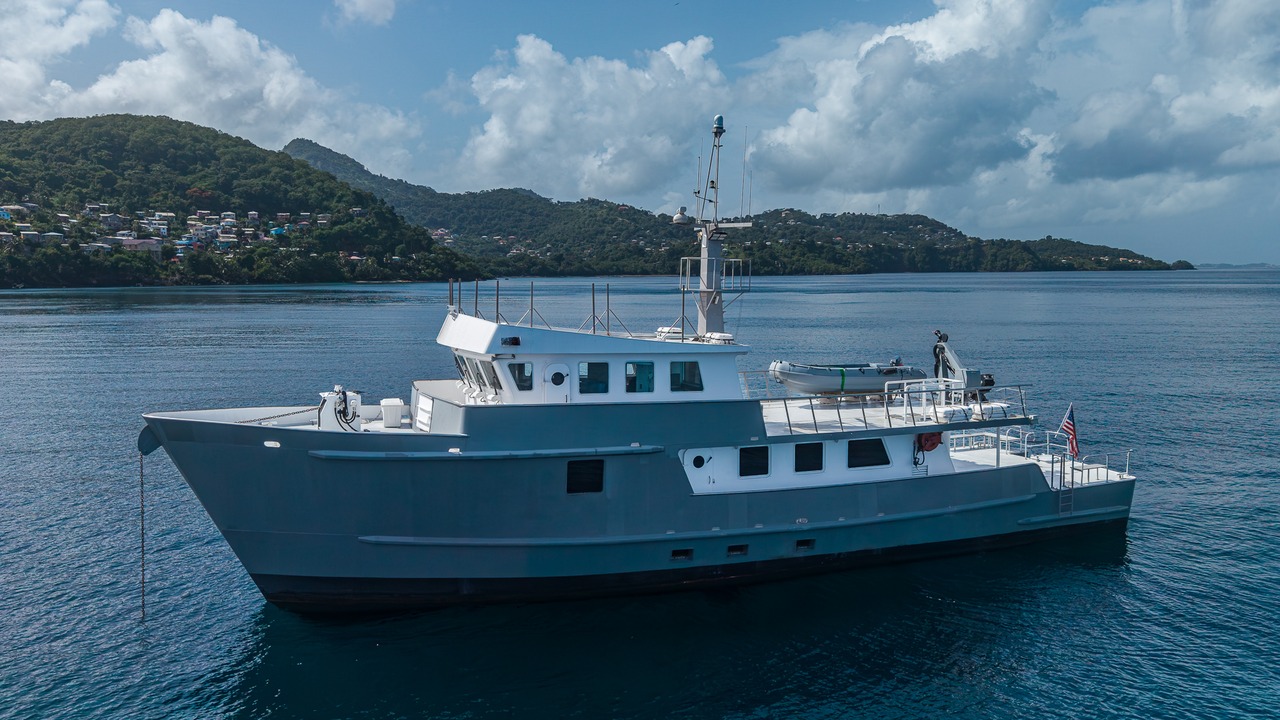
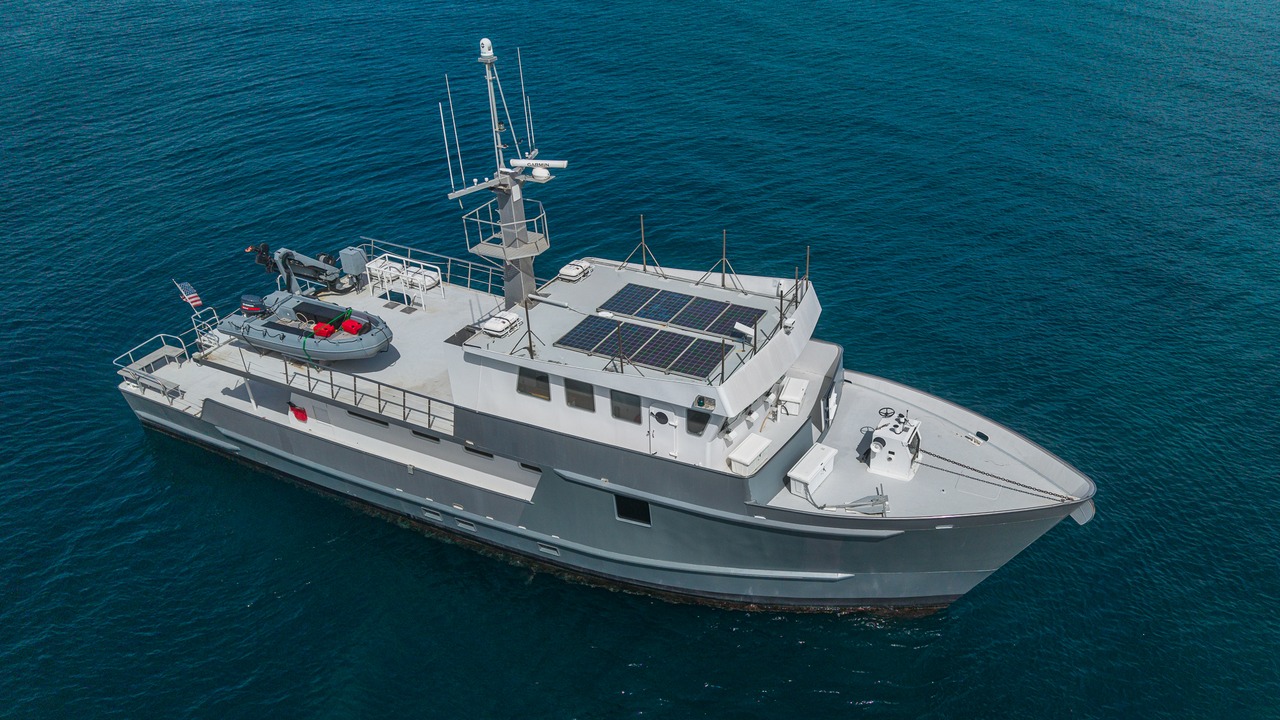
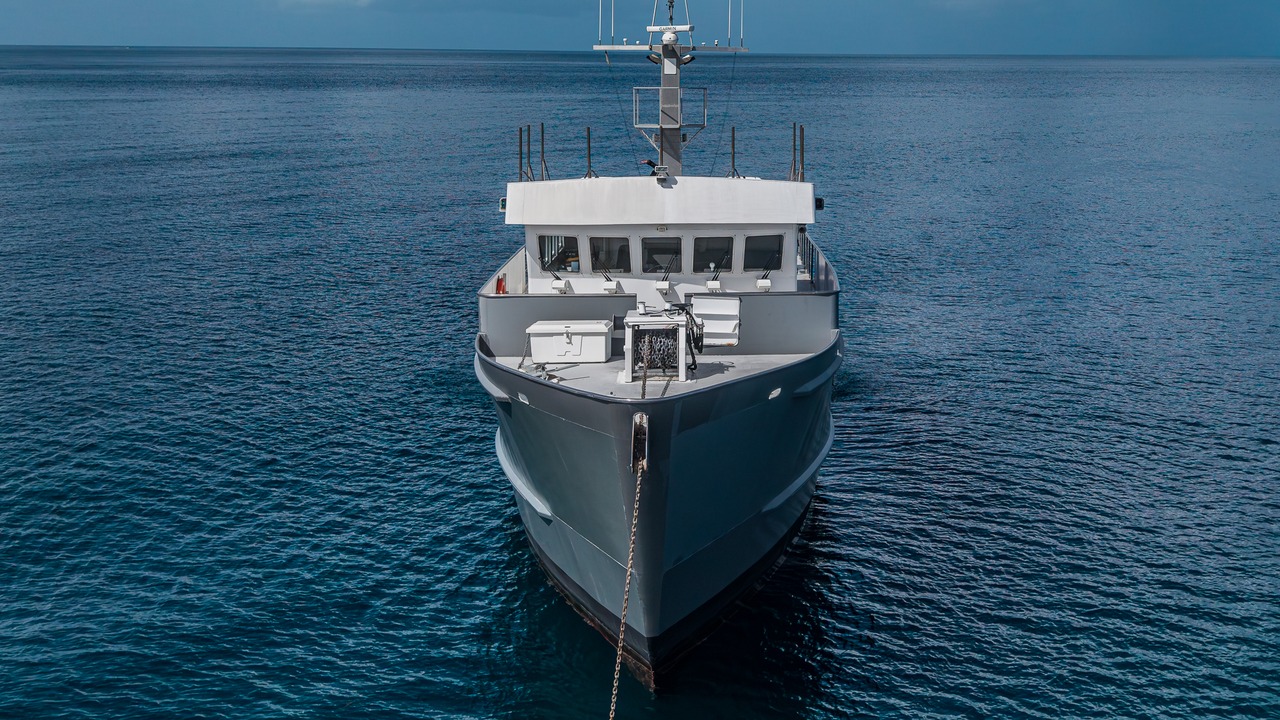
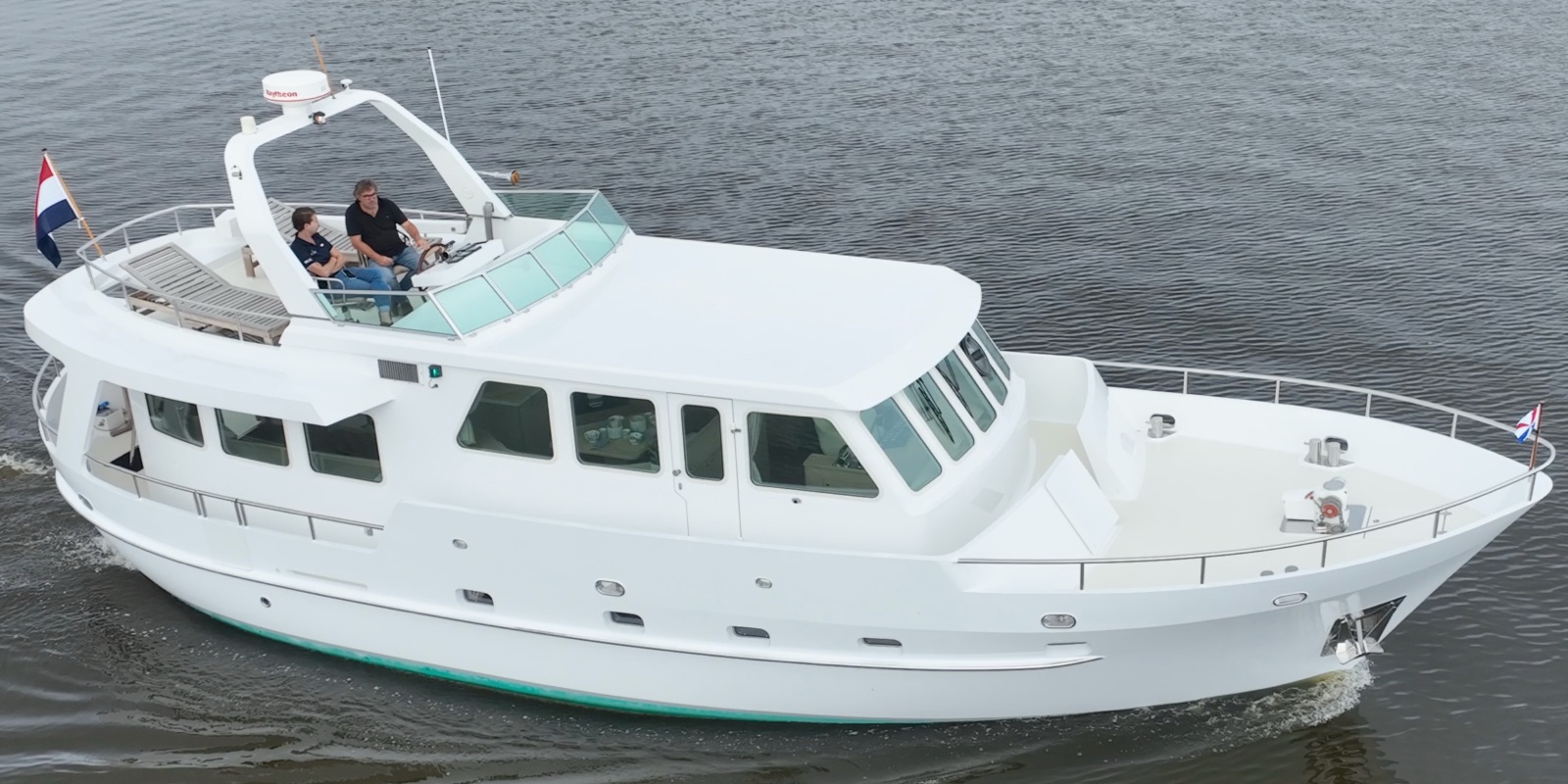
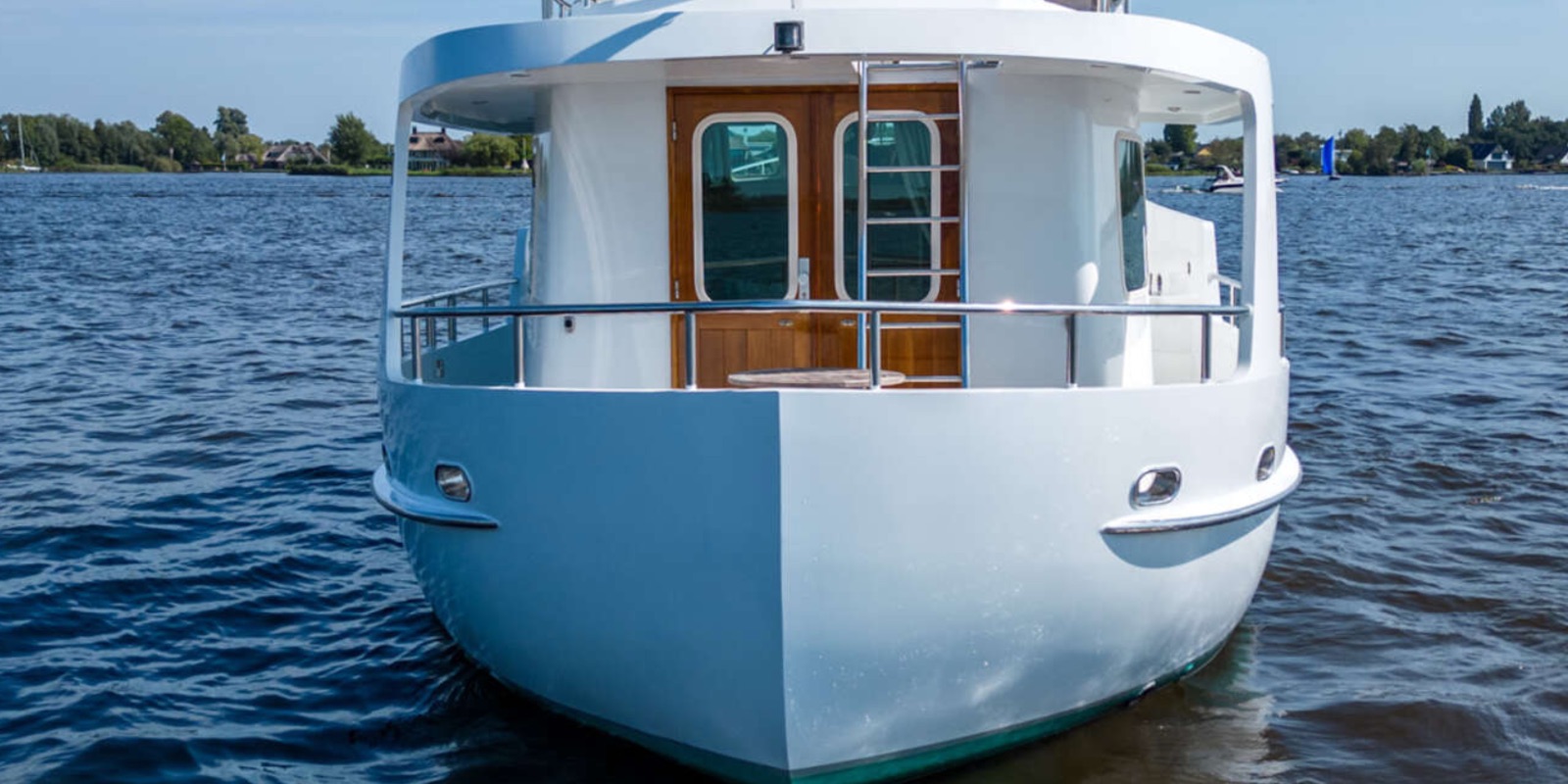
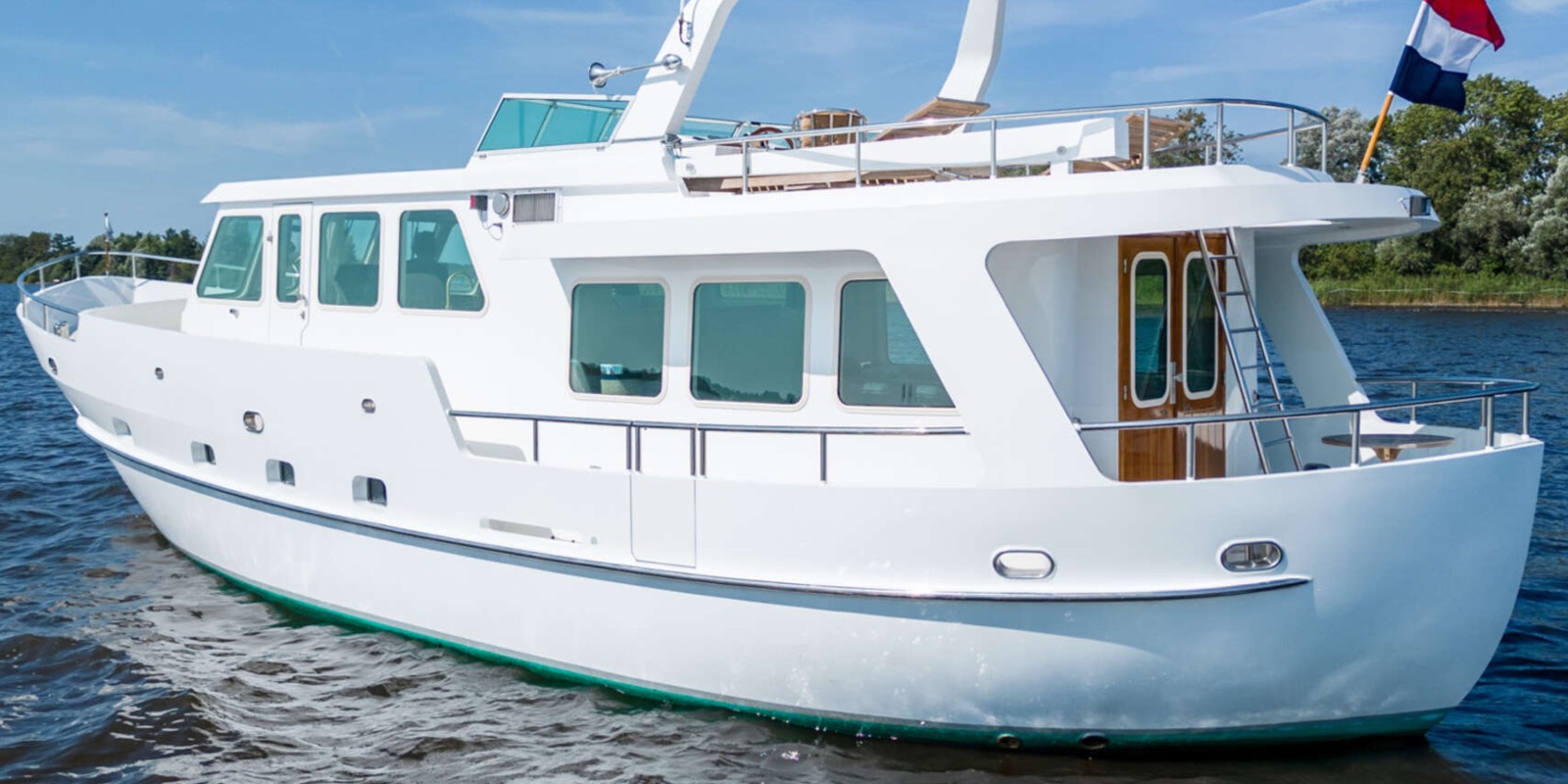
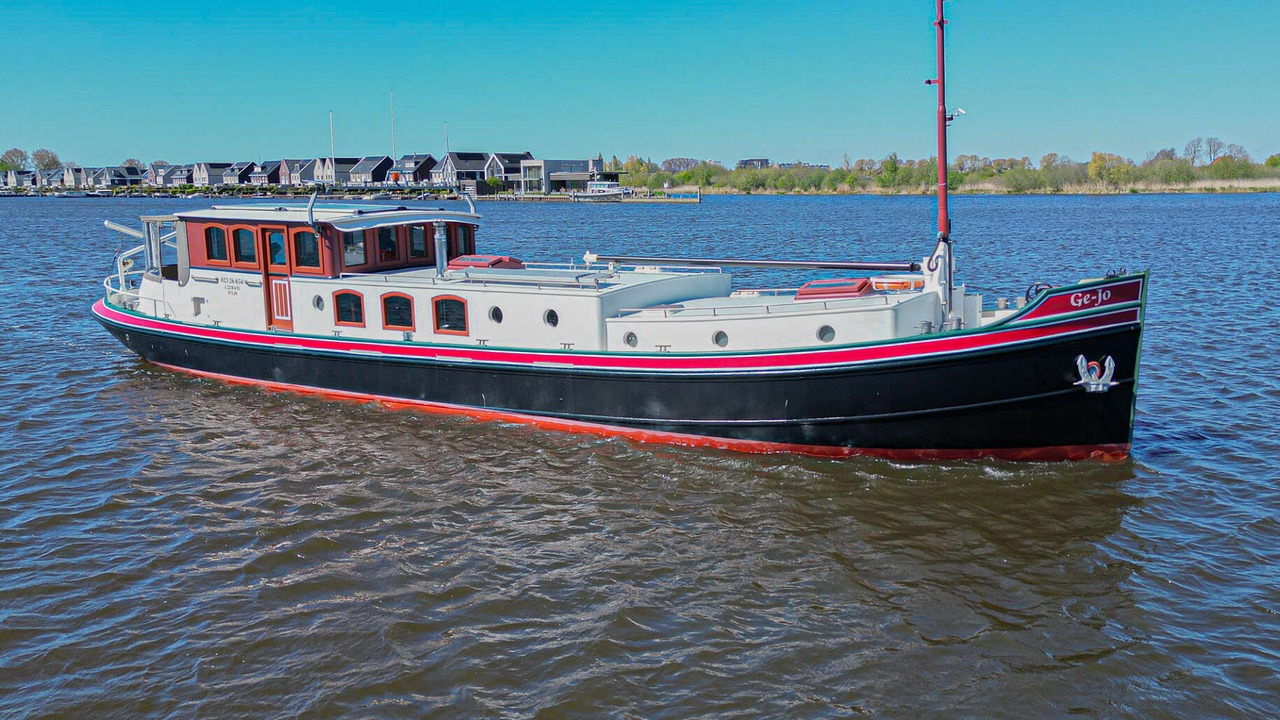
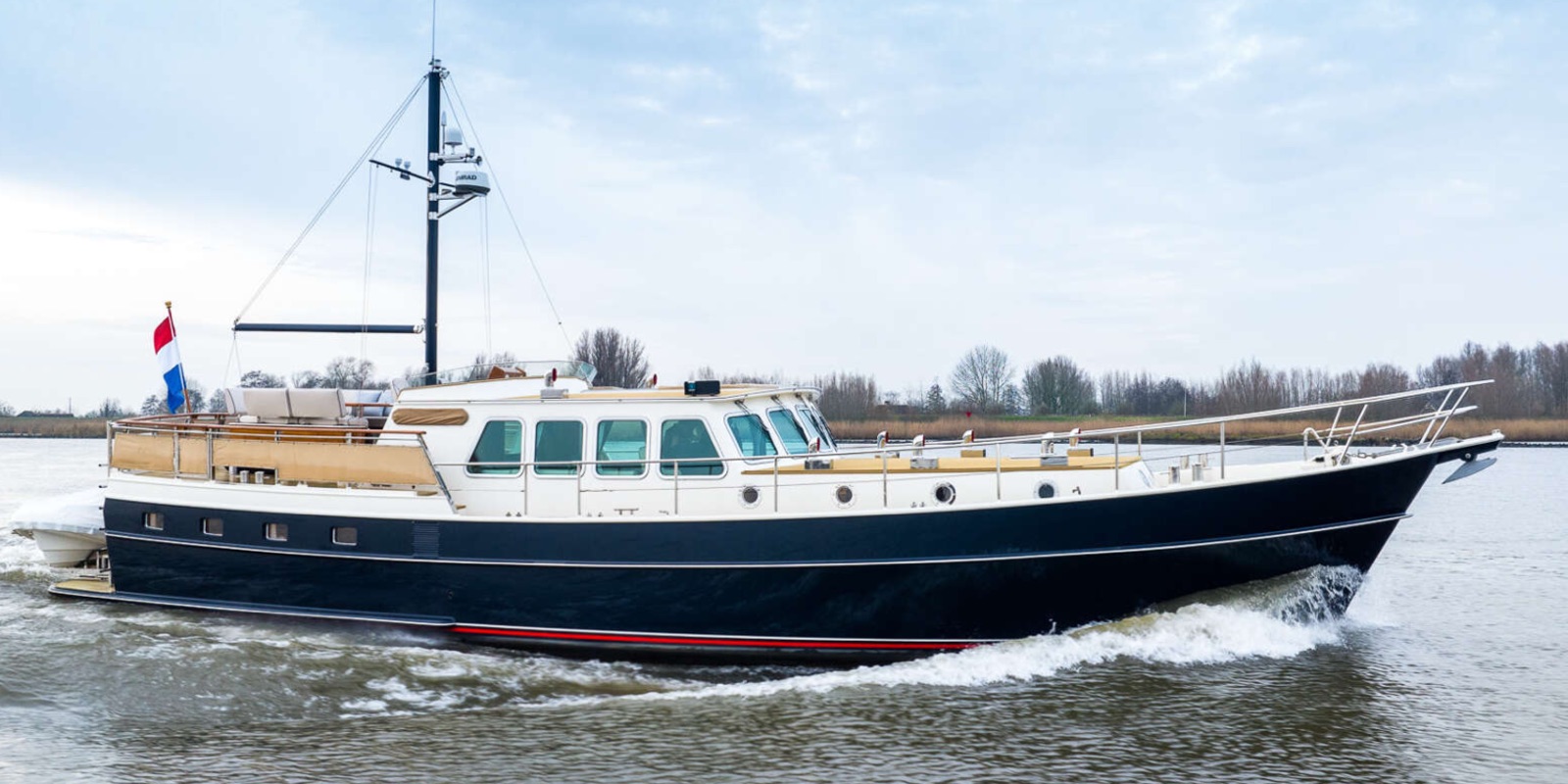
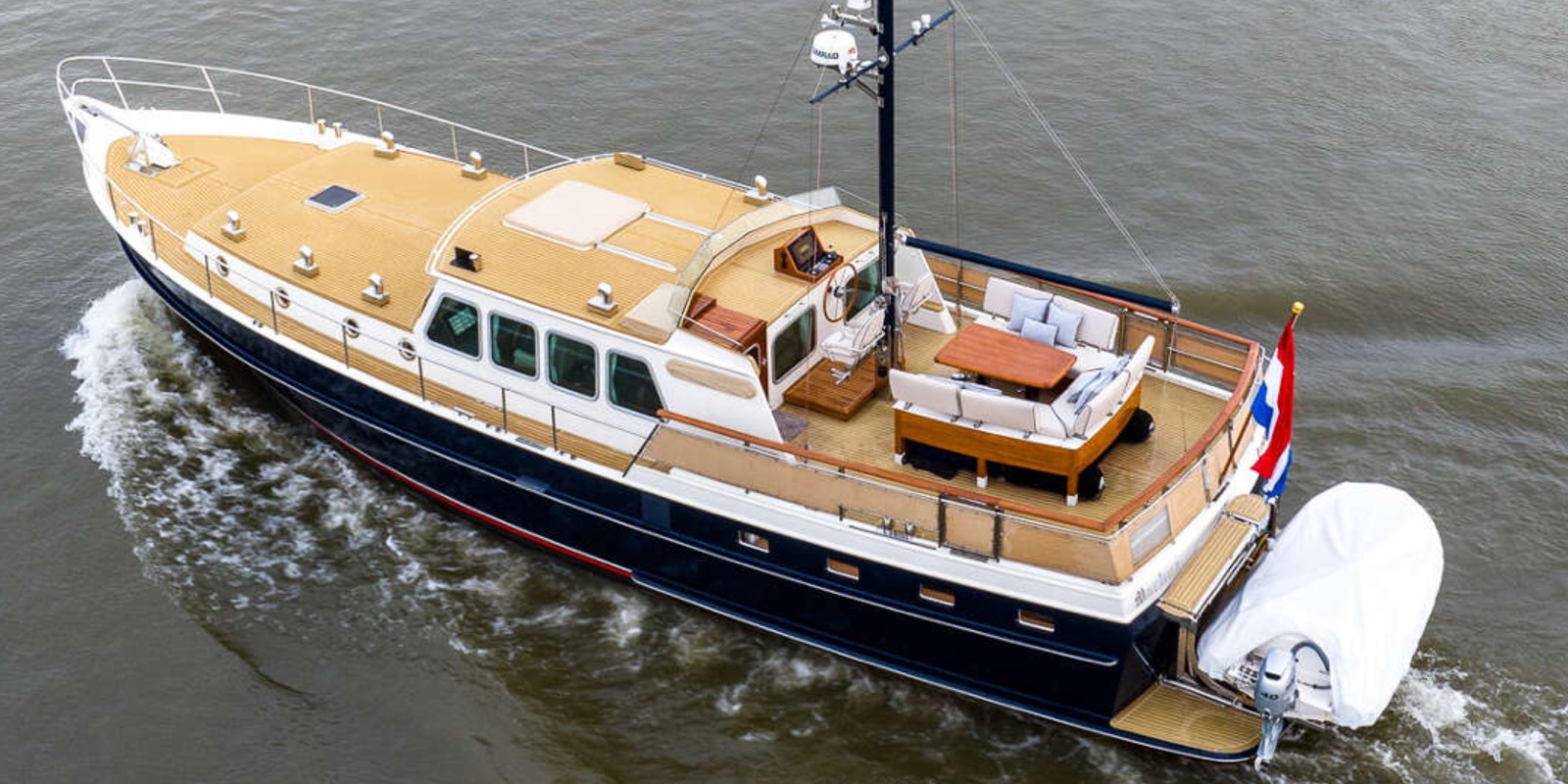
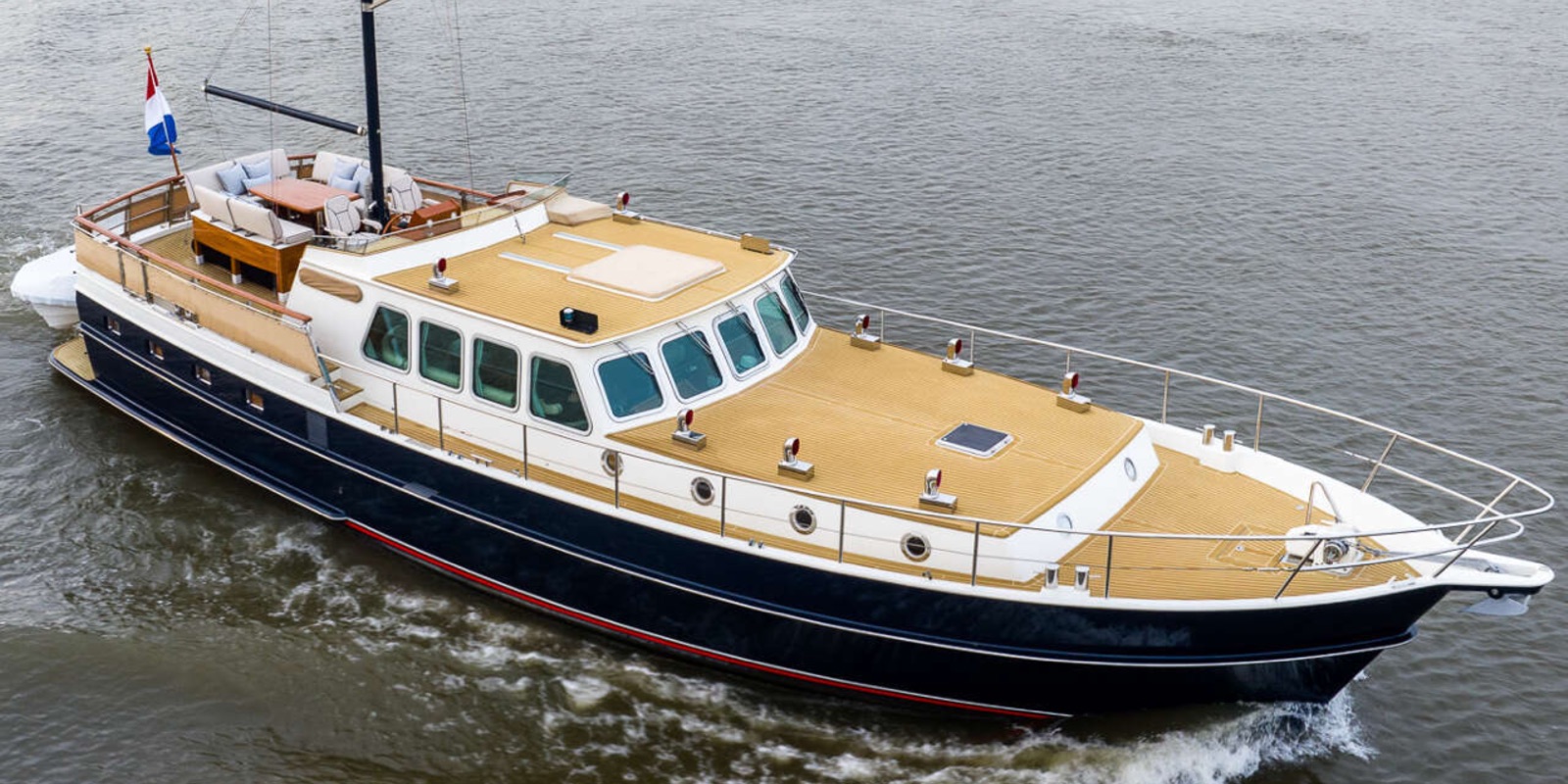
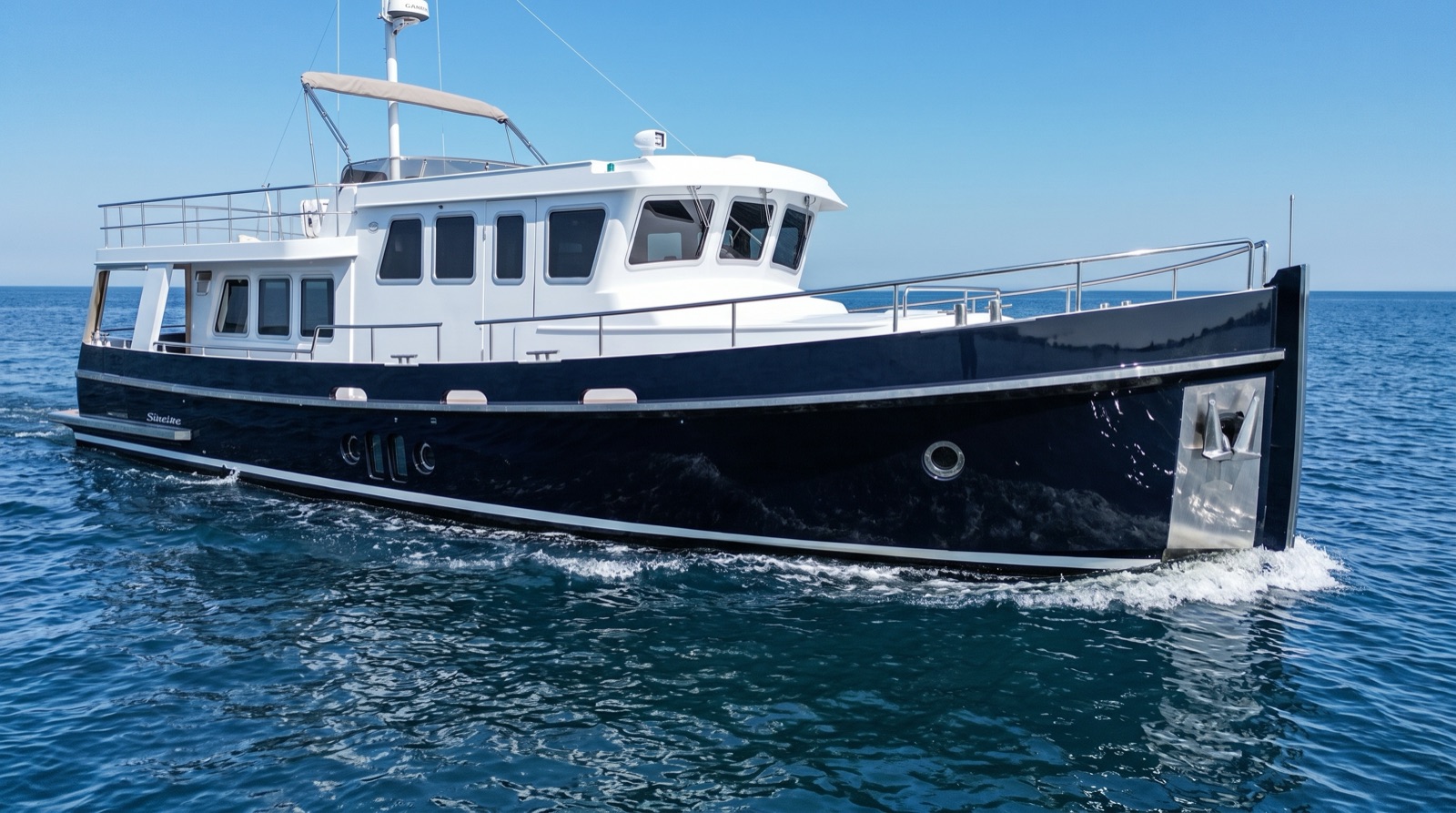
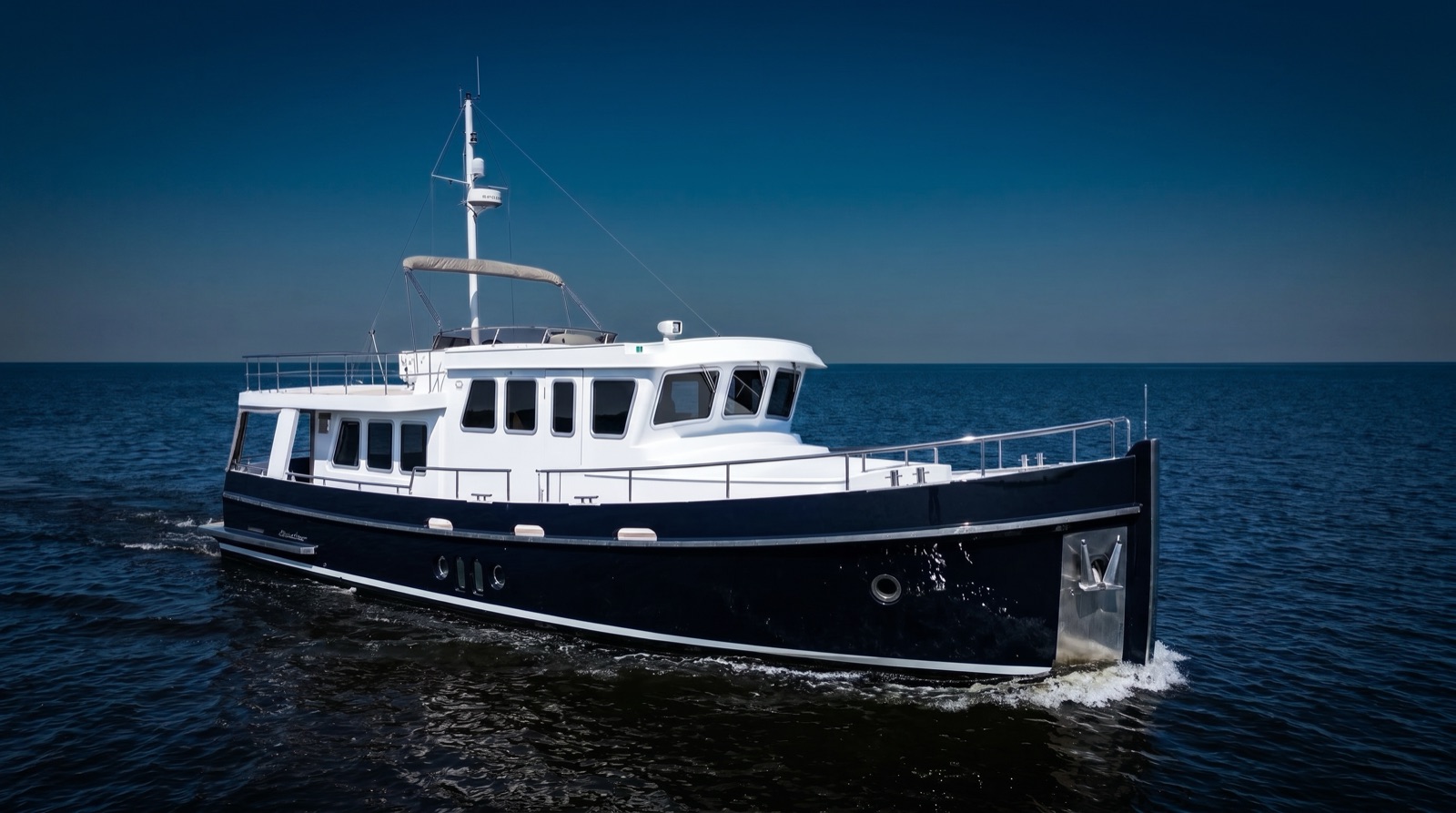
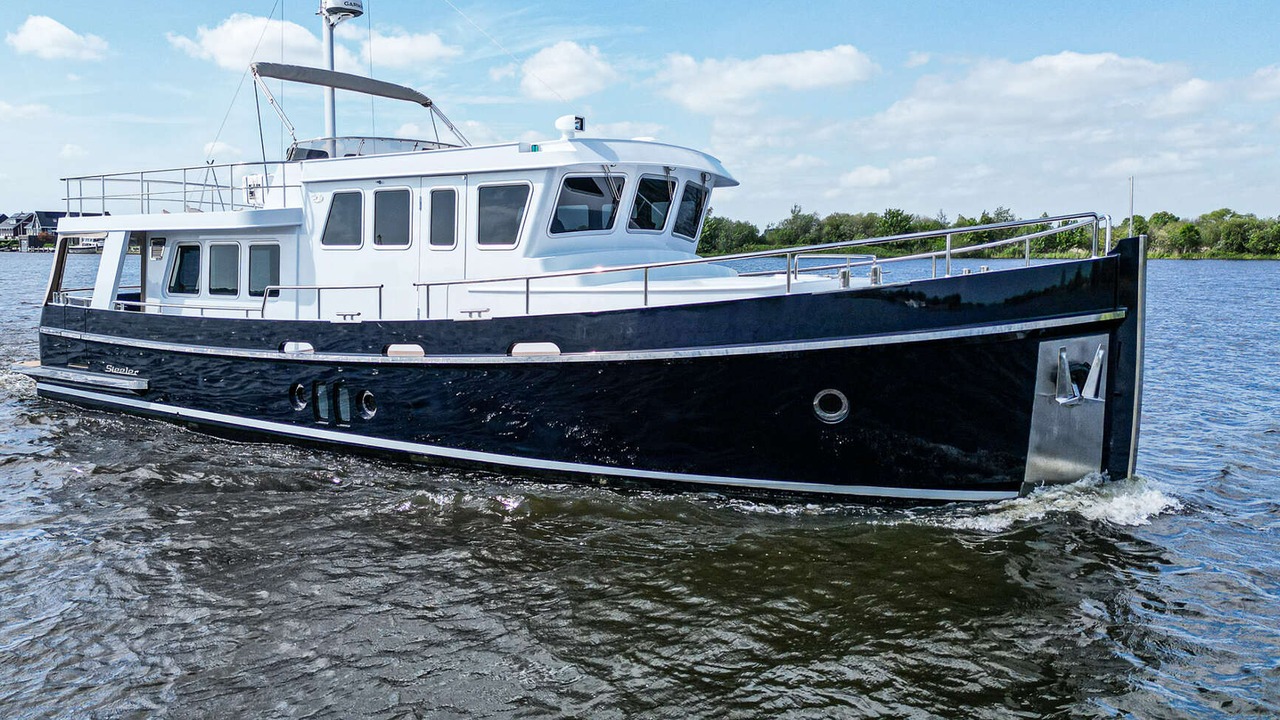
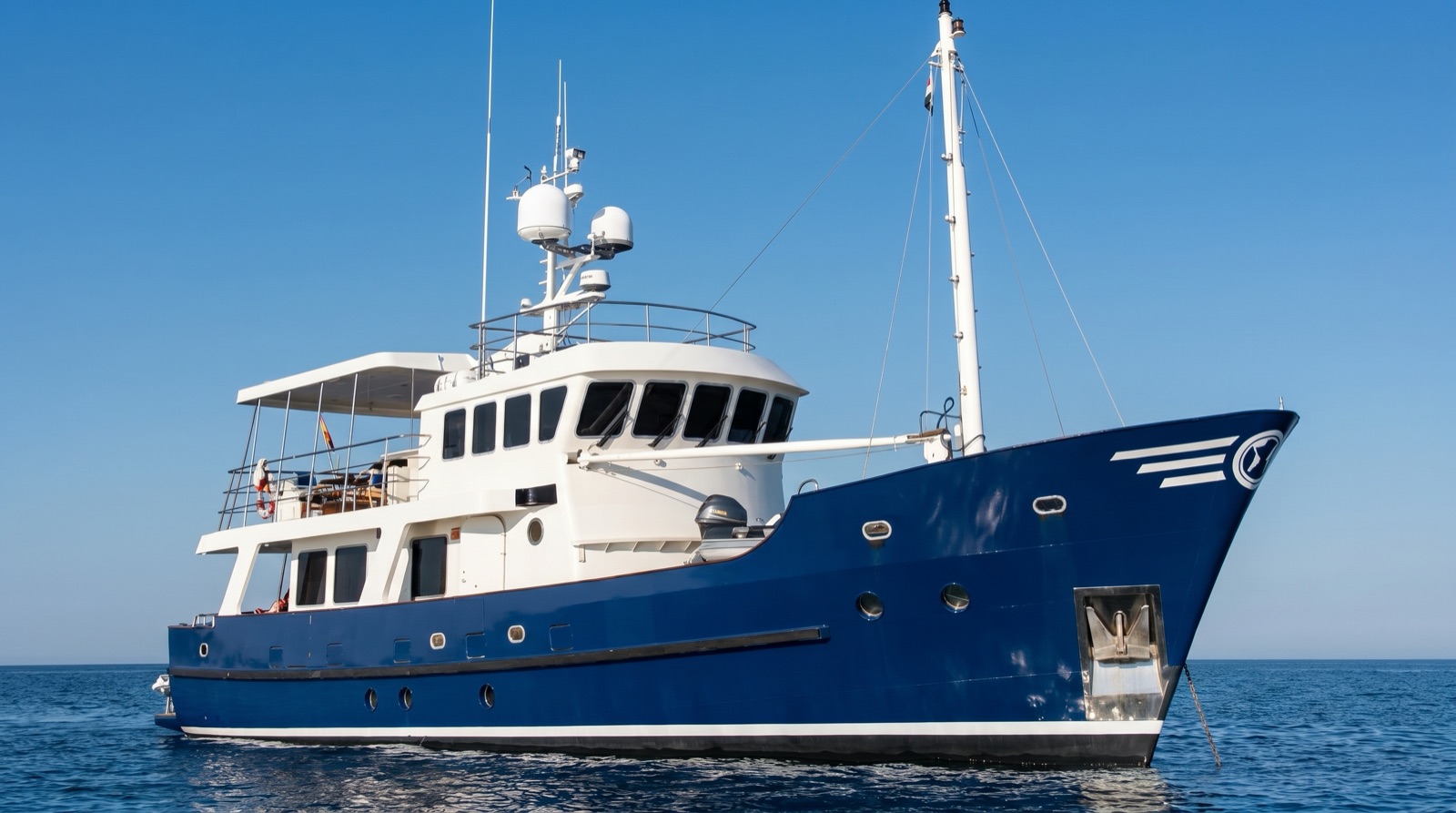
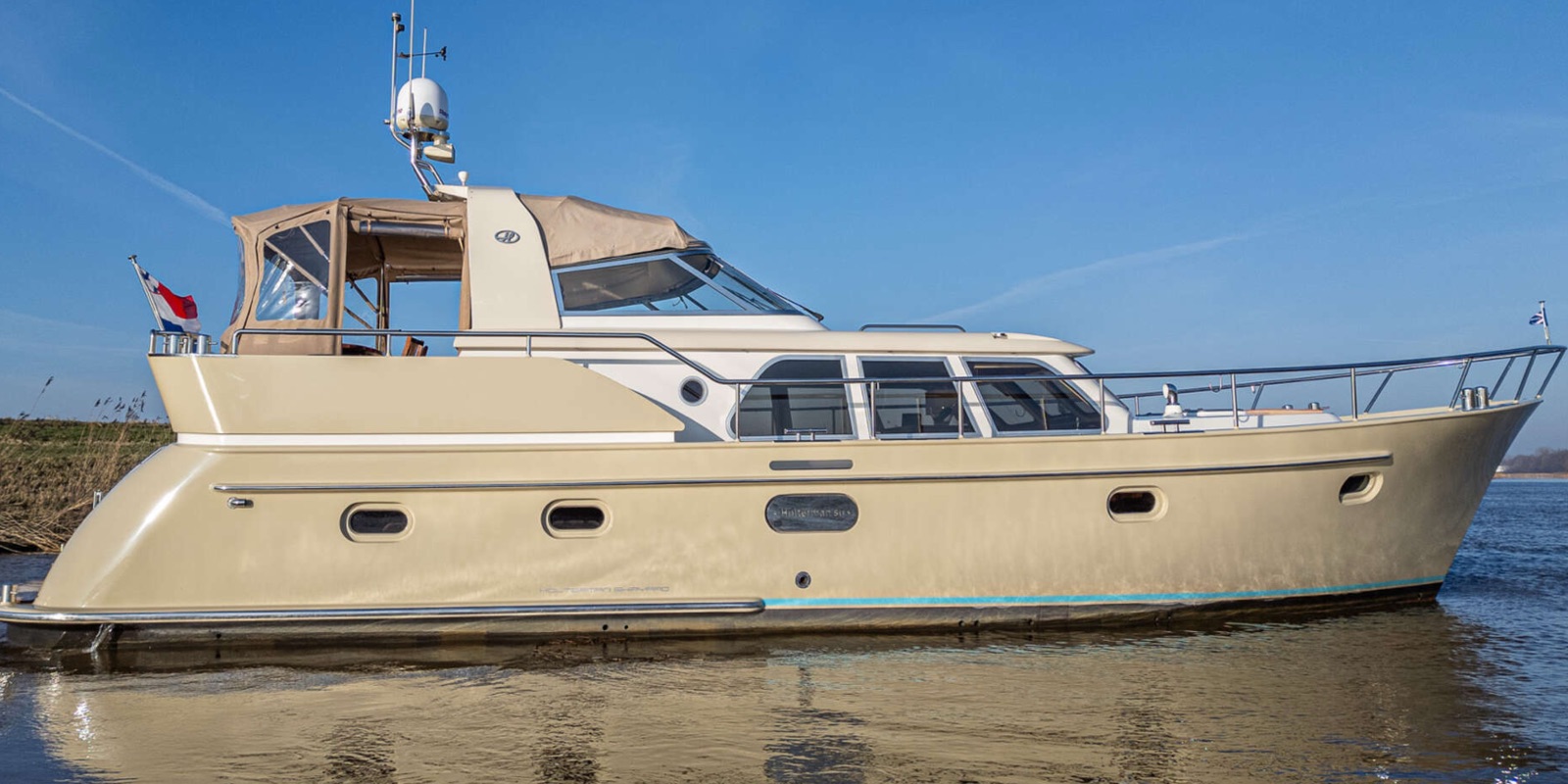
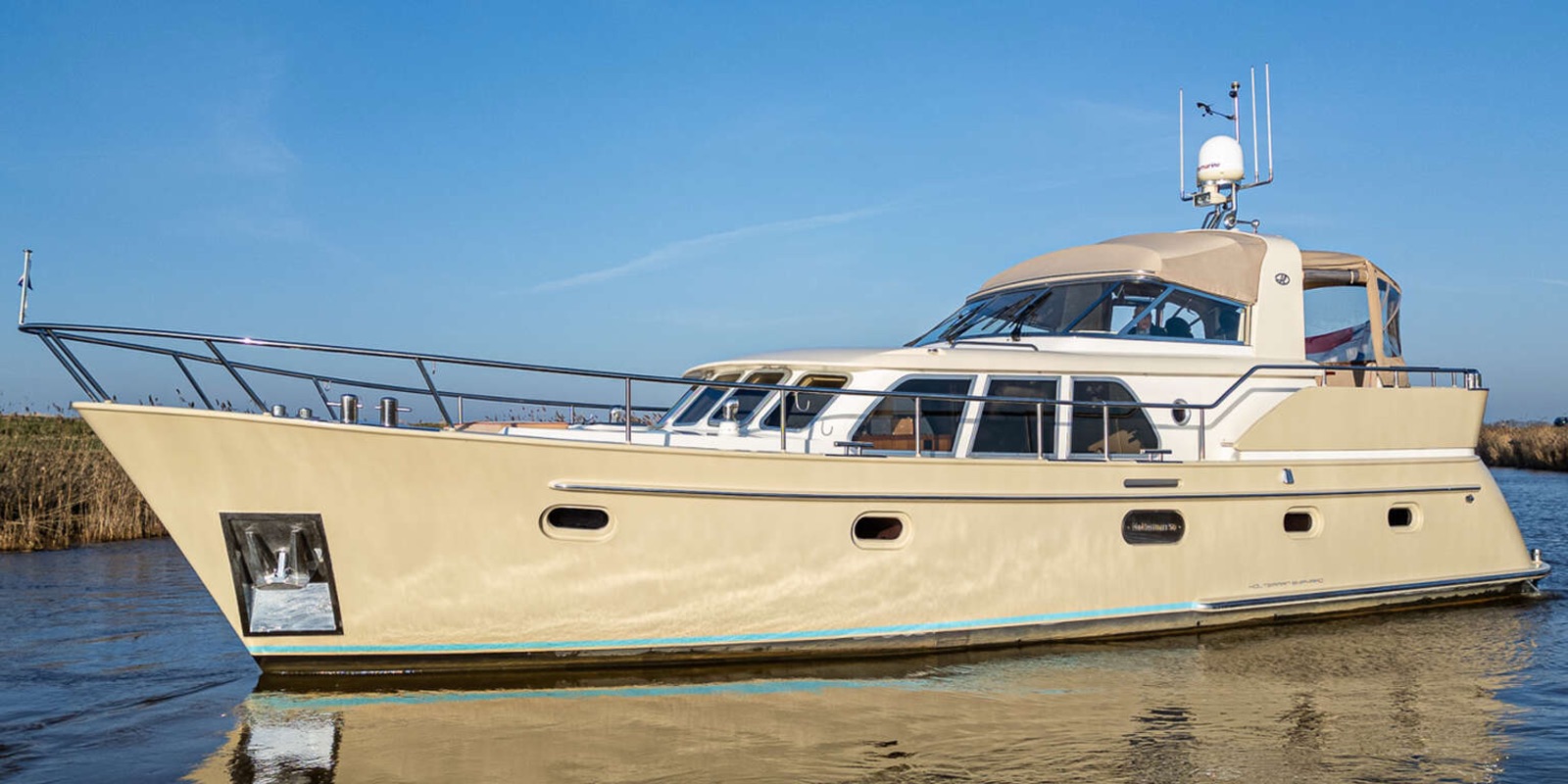
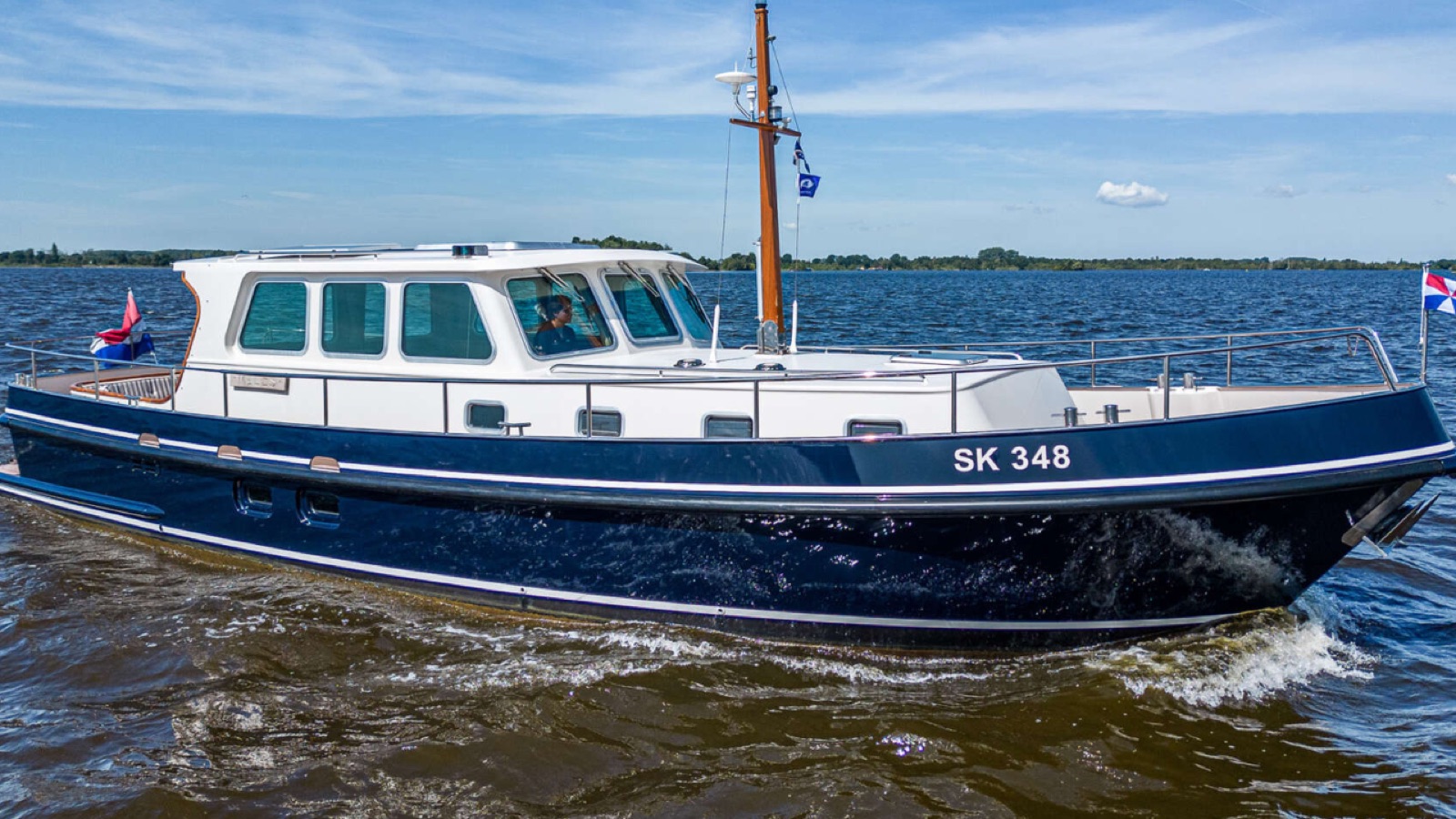
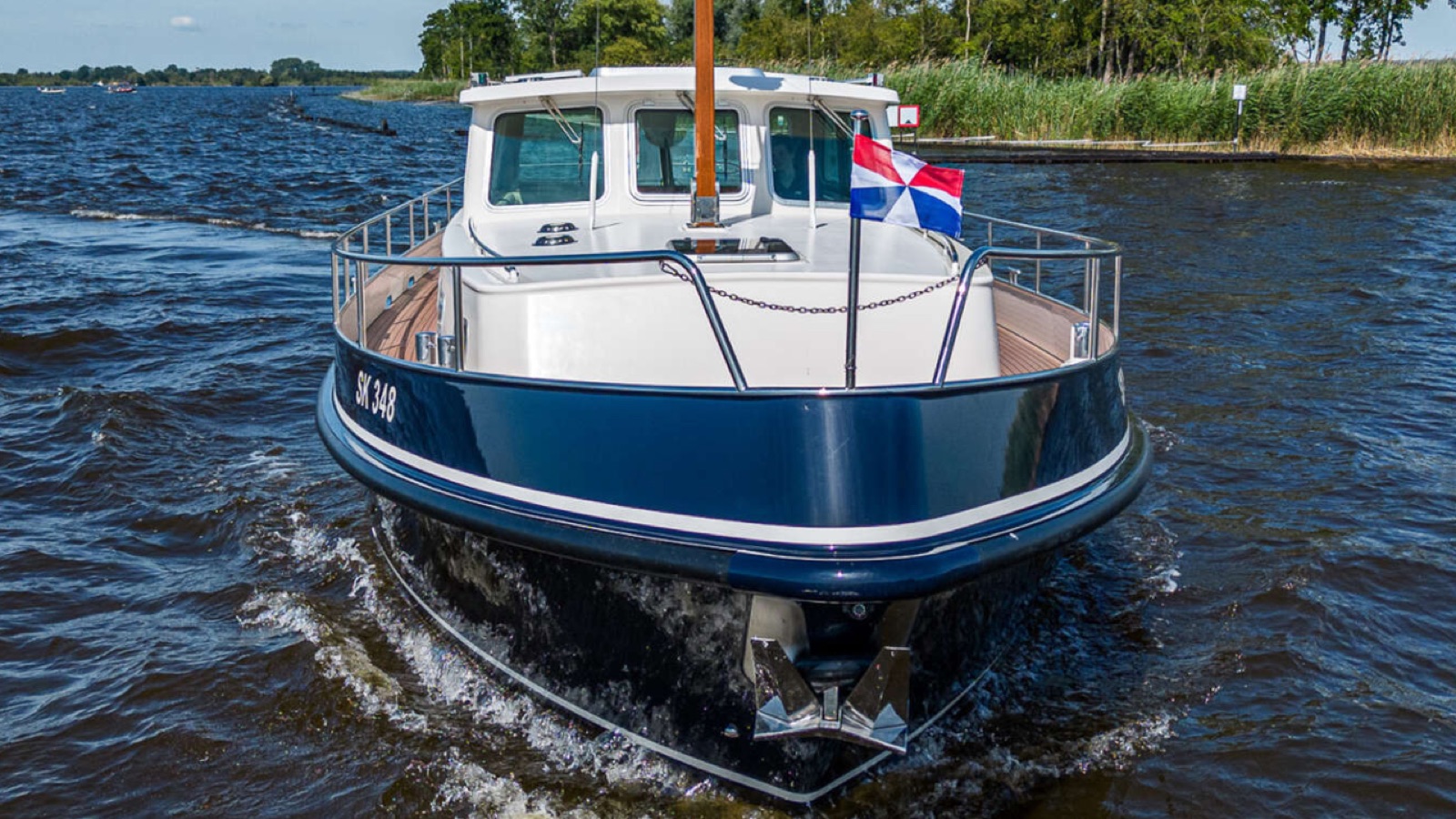
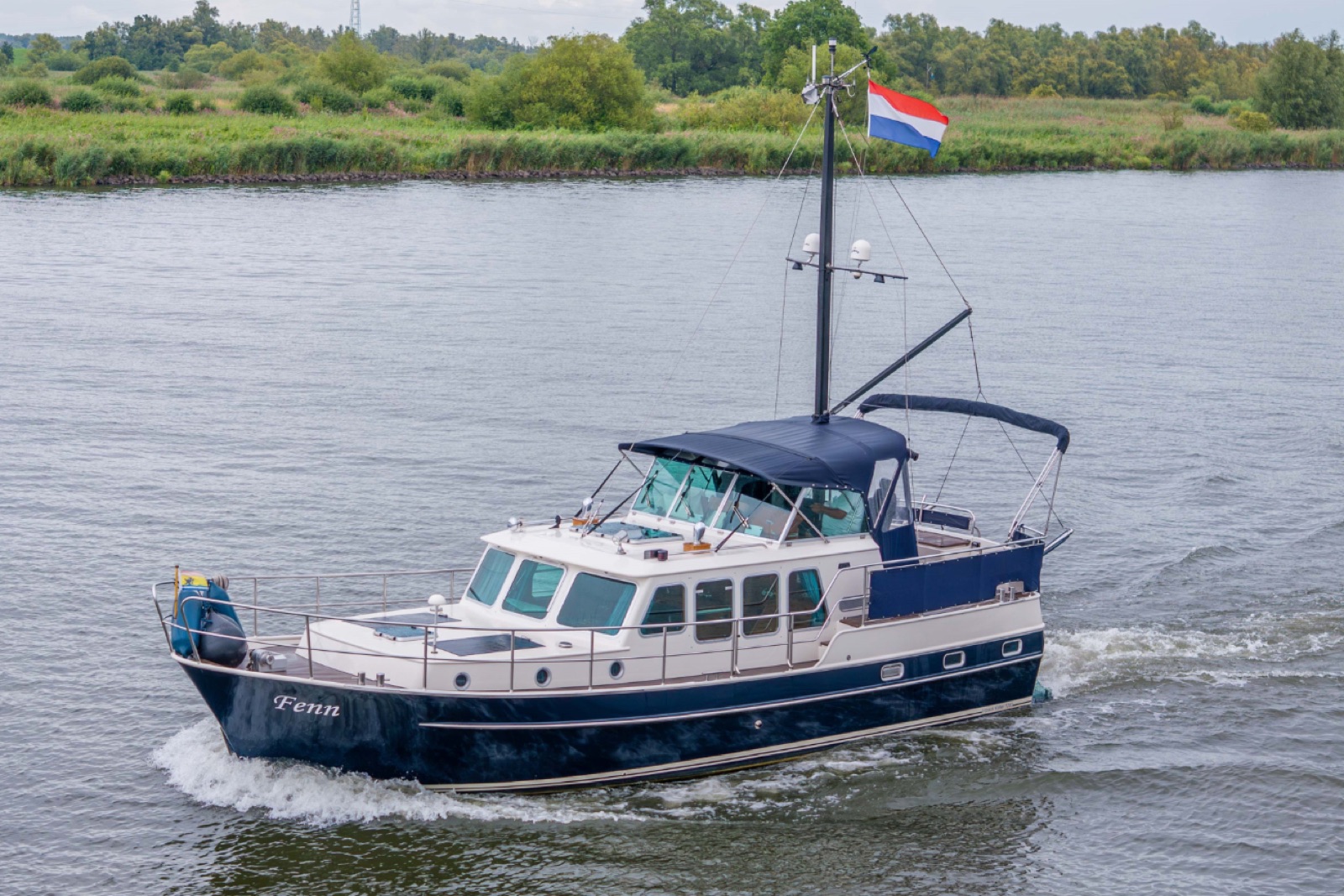
“Dutch steel trawler” is shorthand rather than a single type. Kotters and spiegelkotters draw on working fishing boats, and the spiegelkotter is named for her flat, mirror-like transom. Luxe motors take their name from the early motorised Dutch barges, and then there are bakdekkers and trawler-style motor yachts. For living aboard, the layout matters much more than the builder’s plate.
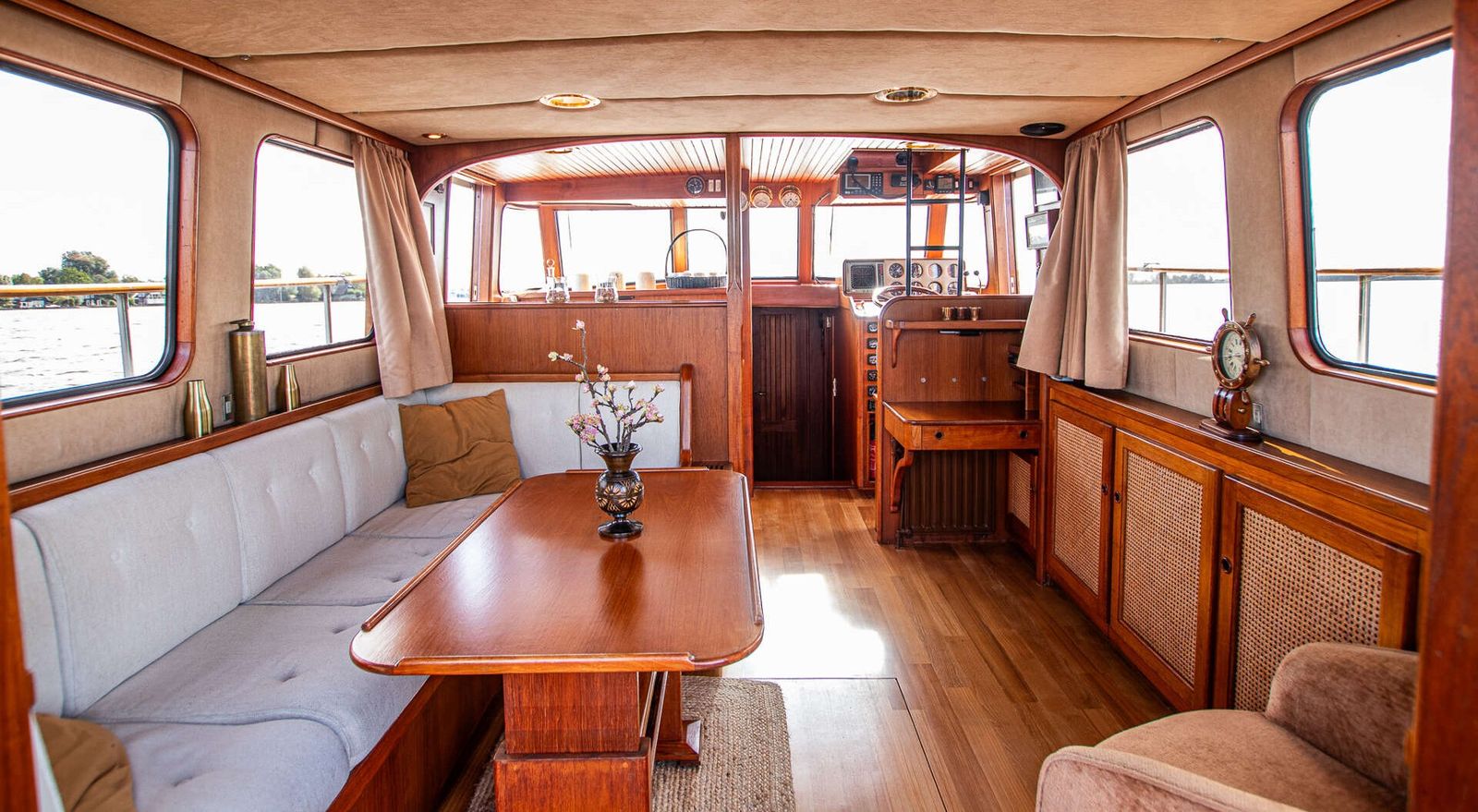
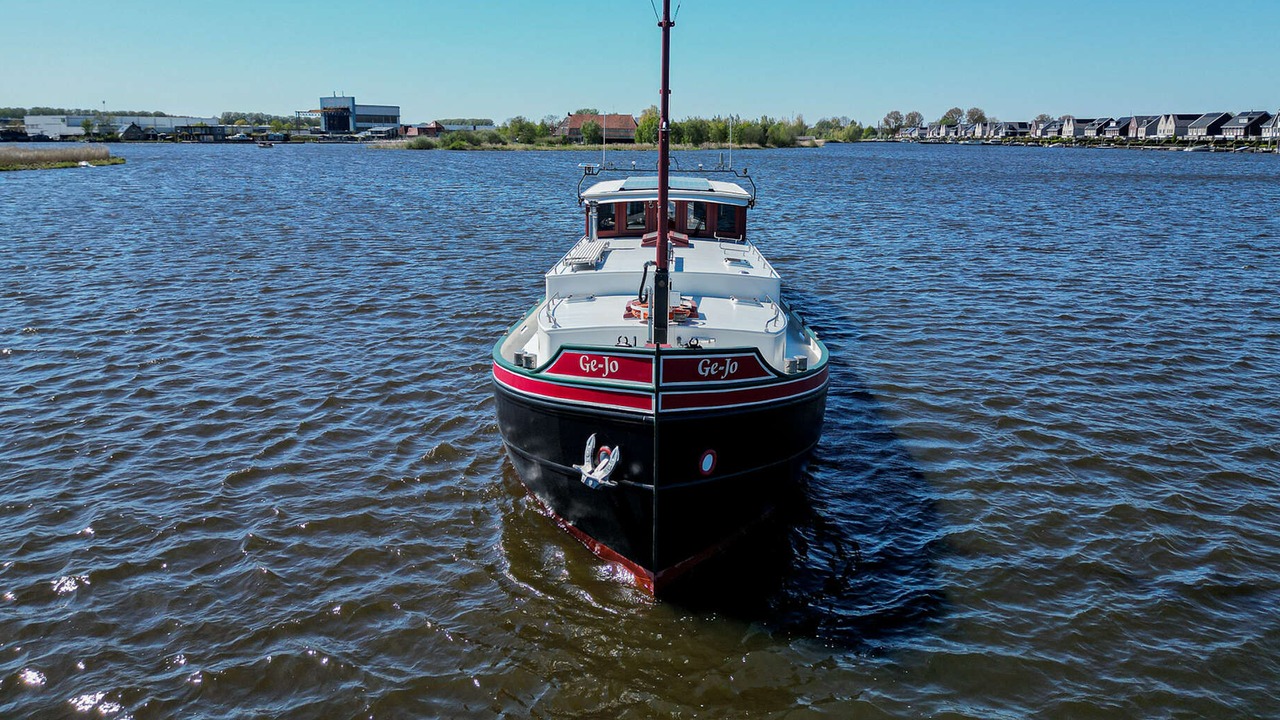
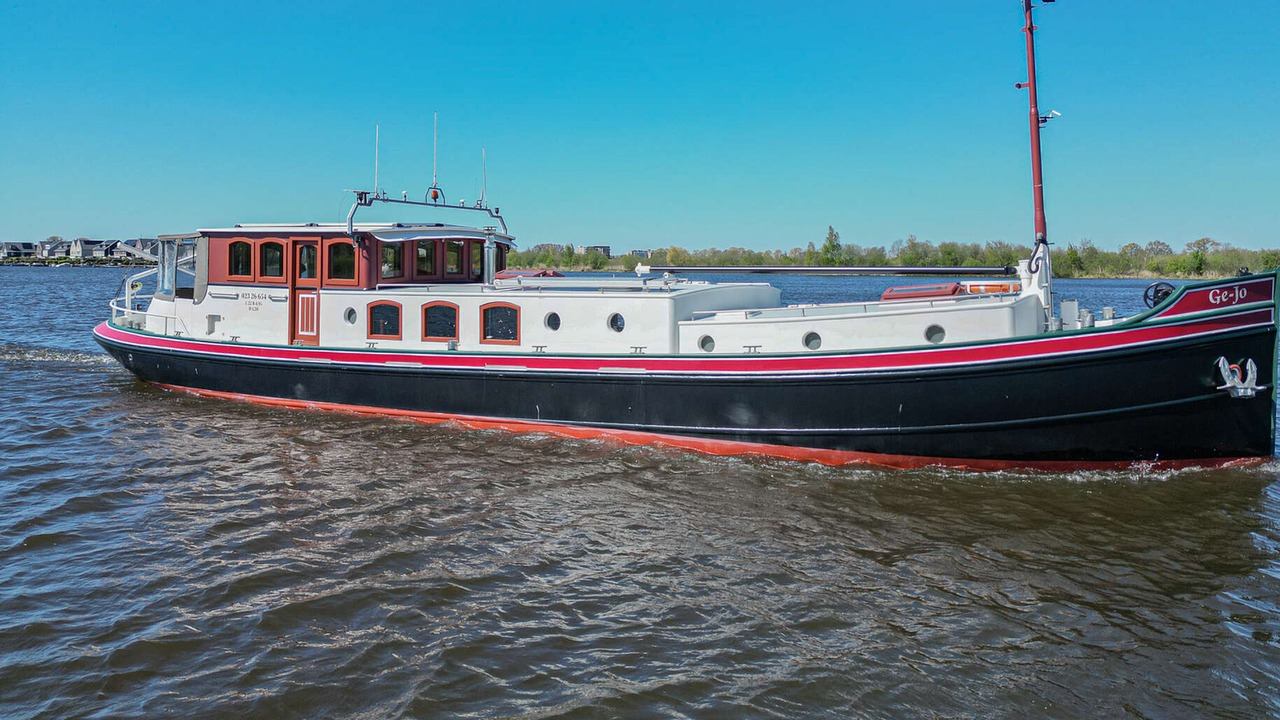
Read more: Living aboard a Dutch steel trawler · A Noorderlicht 50 spiegelkotter · Ge-Jo, a 22m luxe motor
Why steel?
A welded steel hull is robust, and a qualified welder can repair it. In return, it asks for care: coatings and anodes keep corrosion at bay, and because steel conducts heat, insulation and ventilation decide whether winter aboard feels snug or damp. I’d study a boat’s coating history and insulation as closely as her engines.
Read more: Living aboard a Dutch steel trawler · What 47-year-old steel asks of an owner
What should a survey cover on a steel boat?
Book an out-of-water survey with ultrasonic hull-thickness readings. On an older steel boat, it’s the most useful document you’ll get. Budget for it separately, along with a sea trial, delivery, registration, and insurance from completion.
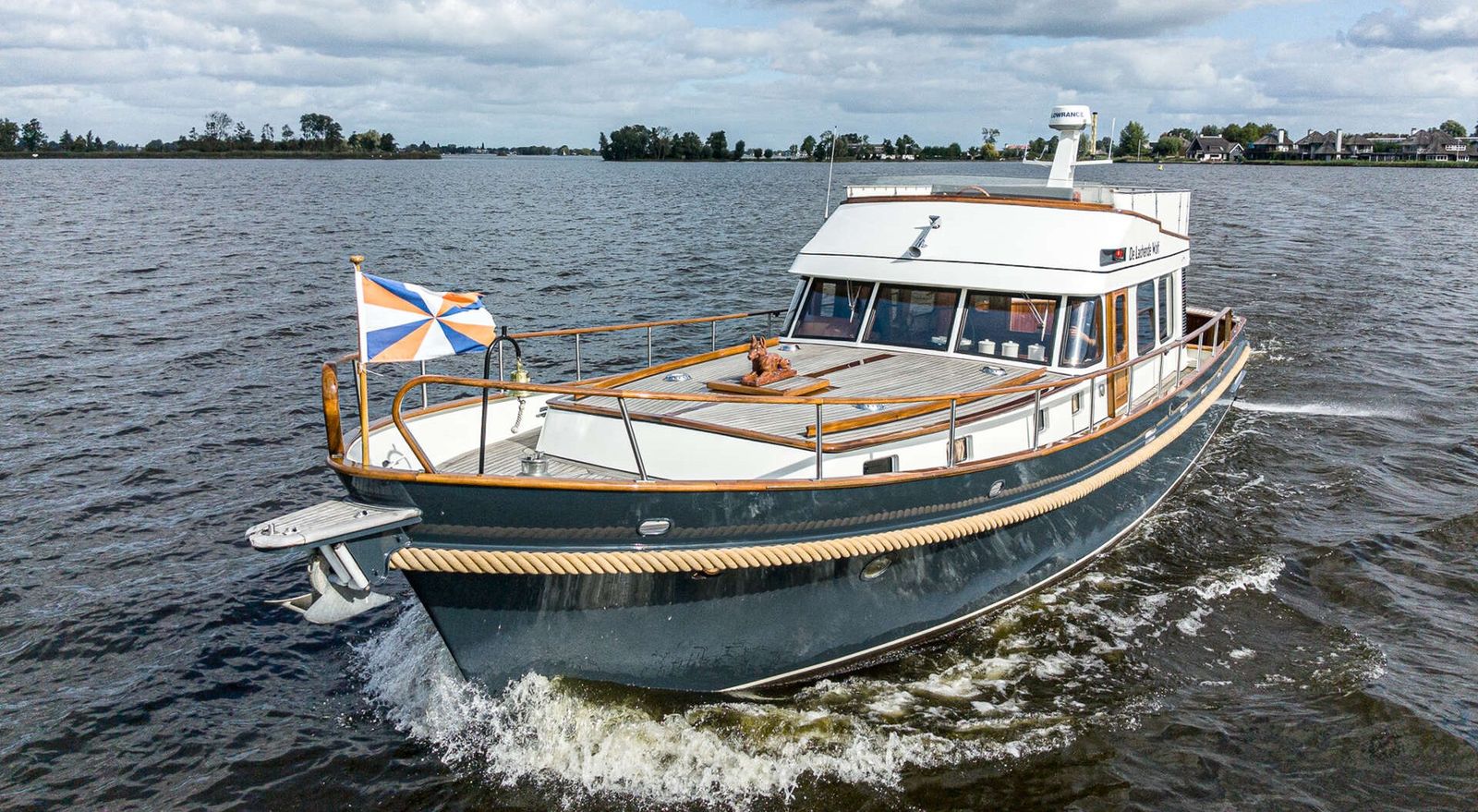
Read more: Living aboard a Dutch steel trawler · De Lachende Wolf, a 1979 trawler
Is she for the canals or the open sea?
“Explorer” on a name board doesn’t make a boat ocean-going. EU design categories describe the conditions she was designed for: A for winds above Beaufort 8 and waves above 4m, B up to Beaufort 8 and 4m, C up to Beaufort 6 and 2m, and D for sheltered water. Boats built before 16 June 1998 often have none. Personally, I’d be happy to take a Category C boat across the North Sea, but only with a good weather window.
Read more: Living aboard a Dutch steel trawler · The Vripack Searocco 1500
Will she fit under the bridges?
On the canals, draught and air draught rule. Many Dutch steel boats have a mast that lowers, and those centimetres decide which bridges are open to you. The 14m Kruiskamp Bakdekker I featured draws 1.20m and comes down to 2.95m with her mast lowered. Check both figures against the routes you want to cruise.
Read more: The Kruiskamp Bakdekker 1400
Is a Romanian-built Vripack still a Vripack?
In design terms, yes. Stentor Yachts in Romania has built Vripack designs to Vripack’s own specifications, with lower labour costs than a Dutch yard. It’s one way to get Vripack pedigree on a smaller budget. As with any boat, judge the build quality and the upkeep, not just the name on the drawings.
Read more: The Vripack Survey 15 · The Vripack Stentor 1300
Can I live aboard one?
It depends on the berth rather than the country. Dutch rules are local, so get the harbourmaster’s permission in writing. In the UK it depends on the berth and the navigation authority, and in France the VNF vignette lets you navigate but isn’t permission to live anywhere. On a UK passport, you can spend no more than 90 days in any 180 across the Schengen area without a visa or residence permit.
Read more: Living aboard a Dutch steel trawler · Living aboard a Moonen 56
Do I need a licence?
On Dutch waters, you need a vaarbewijs (boating licence) for a pleasure craft longer than 15m, or one capable of more than 20km/h. The ICC with CEVNI is widely recognised on European inland waterways, but check each country on your route. In the UK, you don’t need a licence to skipper your own pleasure boat, which surprises a lot of people.
Read more: Living aboard a Dutch steel trawler


 FIND OUT MORE